
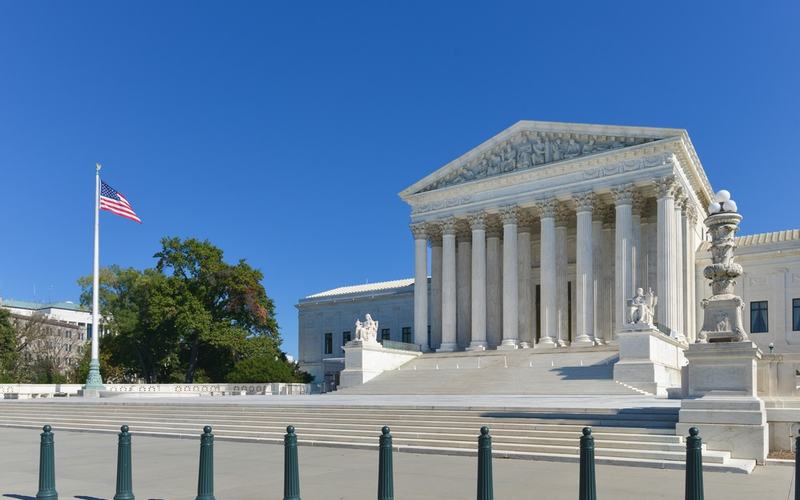
The U.S. Supreme Court ruled unanimously on Wednesday that faith-based crisis pregnancy centers in New Jersey can challenge a state subpoena in federal court before it is enforced, citing potential First Amendment violations.
In First Choice Women's Resource Centers, Inc. v. Platkin, Justice Neil Gorsuch wrote for the court that the subpoena issued by New Jersey Attorney General Matthew Platkin burdens the centers' rights to free speech and association. The November 2023 subpoena demanded donor lists, marketing materials, internal records, and identities of medical personnel as part of an investigation into possible consumer fraud violations. Officials suspected discrepancies between what the centers tell donors and patients regarding services offered, such as ultrasounds and counseling aimed at discouraging abortions.
Gorsuch emphasized longstanding precedent protecting against compelled disclosures that chill association. "An official demand for private donor information is enough to discourage reasonable individuals from associating with a group. It is enough to discourage groups from expressing dissident views," he wrote. The opinion rejected arguments from the state that First Choice must first exhaust remedies in the state court.
First Choice operates five locations in New Jersey, providing free services to women facing unplanned pregnancies. The nonprofit sued in federal district court in December 2023, but a judge dismissed the case for lack of jurisdiction. The 3rd U.S. Circuit Court of Appeals affirmed, prompting the Supreme Court appeal. The court heard arguments on December 2, 2025, where justices from across the ideological spectrum expressed skepticism about the subpoena's breadth.
The decision drew support from unusual allies, including the American Civil Liberties Union and the Foundation for Individual Rights and Expression, which warned of broader risks to donor privacy for all advocacy groups. Business groups like the U.S. Chamber of Commerce and religious organizations also filed briefs backing First Choice.
New Jersey officials maintain the probe targets potential misleading claims by nonprofits not regulated as medical clinics. Their staff often lack medical licenses, and the centers do not offer abortions or follow certain health privacy laws. The state argued the subpoena is a standard consumer protection tool.
This ruling builds on prior Supreme Court protections for crisis pregnancy centers, including the 2018 NIFLA v. Becerra decision striking down a California disclosure requirement and 2021 blocks on similar subpoenas from New York and Vermont attorneys general. It comes amid heightened scrutiny of the centers following the 2022 Dobbs decision overturning Roe v. Wade, as states diverge on abortion policy.
The decision returns the case to lower federal courts but does not quash the subpoena outright. It could shield similar organizations nationwide from broad investigative demands, bolstering First Amendment challenges to state actions.

Comments
No comments yet. Be the first to share your thoughts.