At least 355 Native American and Indigenous candidates ran or are running in local, state, and federal primary and general elections this year, setting a new record.
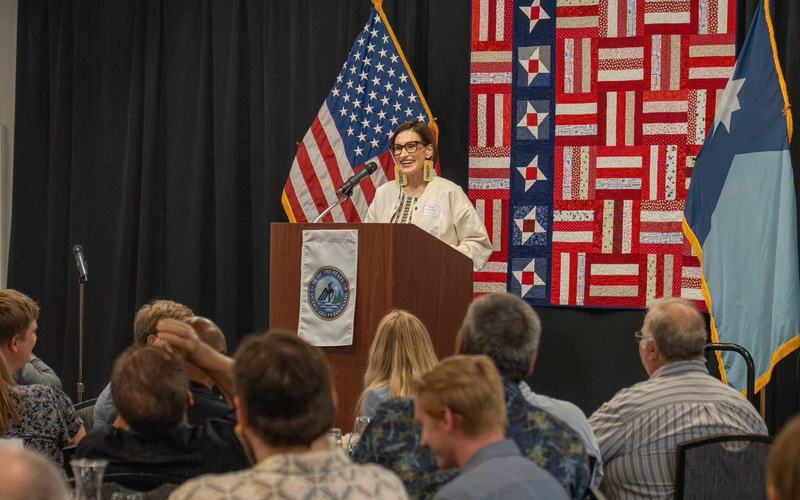
The figure surpasses previous highs tracked by groups monitoring Indigenous political participation. Former Interior Secretary Deb Haaland, a member of the Laguna Pueblo, is the Democratic nominee for governor of New Mexico and would become the first Native American woman elected to that office if victorious.
Two prominent Senate candidates also seek historic breakthroughs. Former Rep. Mary Peltola, a Yup’ik from Alaska, and Minnesota Lt. Gov. Peggy Flanagan, a member of the White Earth Nation, are both running for U.S. Senate seats. No Native American woman has ever served in the Senate.
Ten Indigenous candidates advanced to the November general election for federal office, according to databases maintained by Indian Country Today and Advance Native Political Leadership. This marks the highest number reaching the general election stage since tracking began in 2018. Half of those candidates are women. Incumbents include Reps. Tom Cole of Oklahoma, Sharice Davids of Kansas, and Josh Brecheen of Oklahoma.
Other Native candidates advancing include Jonathan Nez in Arizona’s 2nd Congressional District, Claire Valdez in New York’s 7th, and Sean McCann in Michigan’s 4th. At the state level, dozens more Native candidates are competing for legislative and executive posts nationwide.
The surge reflects growing engagement by Native communities in electoral politics, with candidates representing tribes from Alaska to the Southwest and Midwest. Election Day is set for November 3.

Comments
No comments yet. Be the first to share your thoughts.