
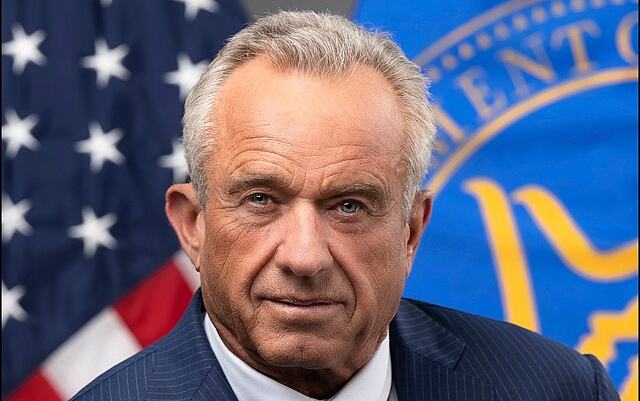
Health Secretary Robert F. Kennedy Jr. has consolidated authority over the Centers for Disease Control and Prevention as the Trump administration carries out a broad restructuring of the federal public health system.
The changes have included substantial staffing reductions and a turnover in senior leadership at the CDC. Data compiled by former federal scientists indicates the agency had about 30% fewer employees as of May 2026 compared with staffing levels before the administration's reductions.
The Trump administration's early 2025 workforce cuts eliminated about 18% of CDC employees, with additional departures coming through retirements and resignations. The result has been a significant reduction in the size of the agency as Kennedy and his team seek to change how federal health agencies operate.
At the same time, Kennedy has pushed the CDC toward different policy priorities, including increased scrutiny of vaccine recommendations, greater transparency surrounding vaccine safety information, and a stronger emphasis on preventing chronic diseases.
Kennedy has argued that Americans have faced growing chronic health problems while federal health policy has placed substantial attention on infectious diseases and expanding vaccination schedules. His approach has sought to redirect resources toward investigating and addressing the underlying causes of chronic illness.
The restructuring has also brought extensive leadership changes. Only one of the CDC's 11 center directors serving in March 2025 remained in place in the data cited, with many of the agency's centers now being led by acting directors promoted from within the organization.
Supporters of Kennedy's approach, however, argue that the overhaul is intended to reduce bureaucracy, eliminate inefficiencies and give federal health officials greater flexibility to pursue different priorities.
The staffing reductions have affected infectious disease programs in particular. The agency's emerging and zoonotic diseases center lost nearly 300 employees, while its respiratory disease center lost nearly 200 employees after March 2025. Some programs continue to receive congressional funding but have fewer personnel available to carry out their work.
Kennedy has nevertheless maintained that the purpose of the restructuring is to allow the agency's remaining workforce to focus on its core responsibilities. During a recent visit to CDC facilities, he told employees that his goal was to ensure they could effectively perform their duties.
The secretary has also continued reshaping federal health advisory bodies. In September, Kennedy appointed eight new members to the U.S. Preventive Services Task Force after a prolonged period in which the panel had not fully operated. The changes are part of Kennedy's broader effort to alter how federal health recommendations are developed and evaluated.
The CDC overhaul remains controversial, with former officials and public-health organizations arguing that staffing losses could weaken the agency's scientific and disease-response capabilities. Kennedy and his supporters contend that the changes are necessary to address longstanding problems in federal health policy and put greater emphasis on transparency, chronic disease prevention, and reassessing established government recommendations.

Comments
No comments yet. Be the first to share your thoughts.