
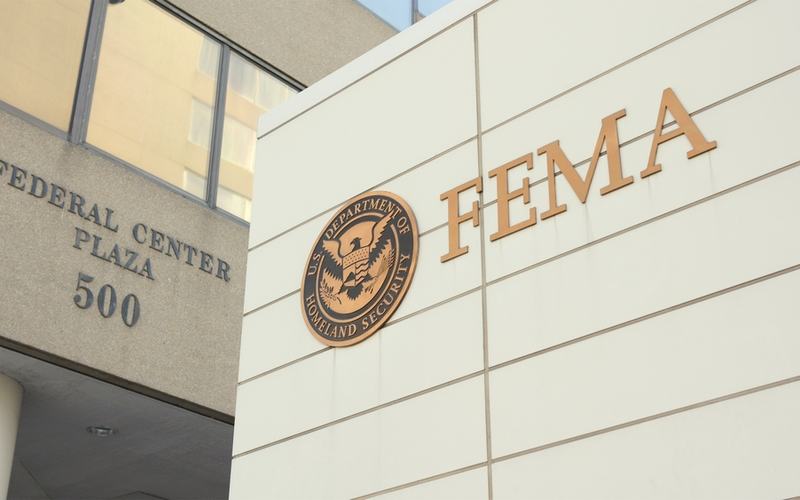
The Trump administration is preparing to shift more responsibility for disaster response and recovery to state governments, potentially reducing federal assistance within six months as part of a broader effort to scale back Washington’s role in emergency management.
The Federal Emergency Management Agency (FEMA) has not provided details about which programs could face cuts or how much funding states might lose, leaving state emergency officials uncertain about how to prepare for the possible changes, according to The Hill.
Michael Coen, who served as FEMA’s chief of staff under former President Joe Biden, said Administrator Cameron Hamilton recently discussed the need for states to assume greater responsibility and begin preparing for less federal assistance. Coen said Hamilton indicated during a question-and-answer session that the transition could begin within six months but did not outline specific funding changes.
The comments follow an October emergency management conference where Hamilton reportedly urged states to maintain sufficient financial reserves to respond to disasters without waiting for federal intervention. According to Politico, Hamilton also expressed hope that fewer disasters would require federal declarations because states have substantial response capabilities.
Hamilton discussed developing a national mutual aid system that would allow states to provide assistance to one another during major emergencies, potentially reducing reliance on federal resources.
A FEMA spokesperson defended the administration’s approach, saying federal assistance is intended to support state and local emergency response rather than replace it. The agency said it is prioritizing local preparedness and ensuring federal disaster mitigation funding produces measurable improvements in community resilience.
Former Washington Gov. Jay Inslee, a Democrat, criticized the potential six-month timeline, arguing that state and local governments need substantially more time to adjust their budgets and emergency response plans. He warned that reduced federal assistance could force states to raise taxes, cut other services or leave disaster-stricken communities without sufficient resources to rebuild.
Karen Langdon, a spokesperson for the National Emergency Management Association, said states could also need legislative approval to secure additional emergency funding, staffing and other resources. She emphasized that federal officials had not formally announced a specific timeline for the changes.
Oklahoma’s former emergency management director, Annie Mack Vest, offered a more favorable assessment of shifting greater responsibility to states. She pointed to preparedness improvements following destructive tornadoes in spring 2024, when Oklahoma developed a statewide recovery strategy involving approximately 32,000 state employees, local governments and community organizations. Vest said the administration’s approach emphasizes simplifying emergency response and strengthening state government capabilities.
However, Brian Sigritz of the National Association of State Budget Officers warned that reductions in FEMA assistance could place additional pressure on state budgets already facing higher Medicaid and food assistance costs. Some states have established dedicated disaster funds and increased investments in resilience projects, but questions remain about how quickly they could absorb additional responsibilities and whether existing resources would be sufficient.

Comments
No comments yet. Be the first to share your thoughts.