
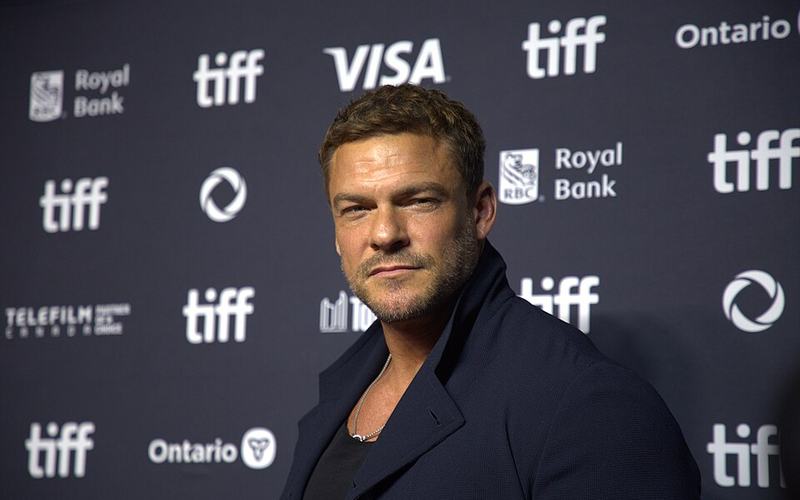
Alan Ritchson has become increasingly outspoken about his opposition to President Donald Trump, even as the actor continues to headline major entertainment projects and pursue a growing film career.
Ritchson has publicly attacked Trump on multiple occasions, including calling the president a “rapist” and making comments connecting Trump to convicted sex offender Jeffrey Epstein. His political commentary has reportedly become significant enough that Hollywood studios have warned him about publicly discussing politics.
The reported warnings come as Ritchson’s latest theatrical releases have produced relatively modest returns. His July action film “Motor City” earned approximately $3 million worldwide, while “Runner,” released in September, has brought in more than $13 million worldwide.
Both films carried substantially larger reported production budgets. “Motor City” was made for an estimated $30 million, while “Runner” reportedly cost between $35 million and $45 million before marketing expenses. Neither film has been an outright critical disaster, making their limited theatrical returns particularly notable.
The numbers alone, however, do not establish that Ritchson’s political statements caused the films to struggle. Movie performance depends on numerous factors, including marketing, release timing, competition, audience interest and distribution.
Ritchson’s political activity nonetheless presents a different approach from one famously associated with Michael Jordan. During the 1990 North Carolina Senate race between Republican Jesse Helms and Democrat Harvey Gantt, Jordan declined to endorse Gantt and was later associated with the quip, “Republicans buy shoes, too.”
Jordan later characterized the remark as a joke rather than a declaration of political philosophy. The phrase nevertheless became a lasting reference to the commercial calculation of maintaining an audience that may hold a wide range of political views.
Ritchson has made a different calculation. Rather than keeping his political views largely separate from his entertainment career, he has repeatedly used his public platform to criticize Trump and his supporters.
That approach has now collided with reported concerns from studios about his political commentary. While there is no evidence proving that his politics are responsible for the box-office performance of his recent movies, the episode highlights the potential tension between celebrity political activism and the need for entertainment companies to appeal to broad audiences.

Comments
No comments yet. Be the first to share your thoughts.