
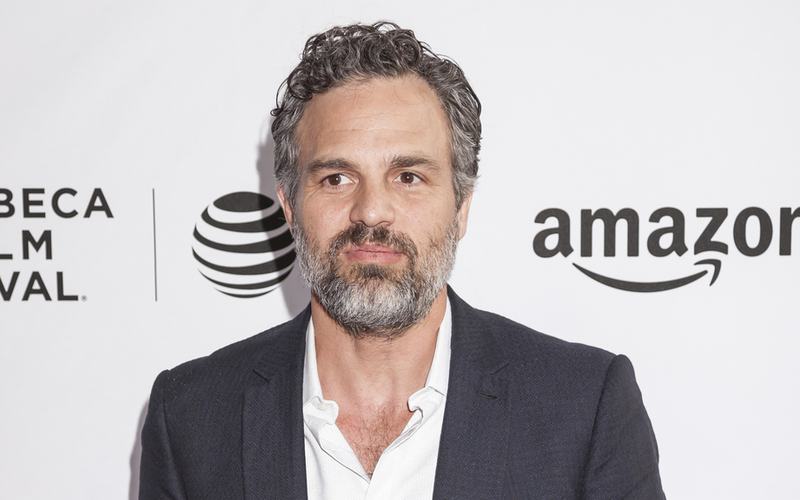
Actor Mark Ruffalo’s public criticism of Paramount’s proposed acquisition of Warner Bros. Discovery, including comments about the Ellison family’s ties to Israel, reportedly complicated California Attorney General Rob Bonta’s effort to challenge the $110 billion merger.
California and 11 other states reached a settlement with Paramount on Monday, clearing a major legal obstacle to the merger after months of litigation. Bonta’s office said the agreement includes commitments on film production, jobs, cable negotiations and editorial independence at CBS News and CNN. The settlement still requires court approval.
According to reporter Charles Gasparino, people familiar with the matter told him that Ruffalo’s August criticism became a liability for opponents of the merger after he connected Paramount CEO David Ellison and his family to Oracle, which is controlled by David Ellison’s father, Larry Ellison. Ruffalo highlighted Oracle’s business relationships with Israel while arguing against the merger.
Paramount responded at the time by accusing Ruffalo of using antisemitic tropes. Ruffalo rejected the characterization and defended his criticism as opposition to Oracle’s business ties to Israel and the proposed merger. The dispute drew responses from Jewish organizations and prominent figures in Hollywood.
Gasparino reported that the controversy caused some people inside Bonta’s political orbit to become concerned that the merger fight was becoming associated with rhetoric that could alienate pro-Israel Democrats and Hollywood figures. His account, however, is based on interviews with unnamed people familiar with the negotiations and does not establish that Ruffalo’s comments directly caused Bonta to settle.
Other pressures were also building around the case. Paramount had threatened to move operations out of California, while Gov. Gavin Newsom, Los Angeles Mayor Karen Bass and other political figures pushed for a resolution that would protect Hollywood jobs and keep the company in the state. The Los Angeles Times reported that Paramount had considered moving its headquarters and that the company had warned of the economic consequences of continued litigation.
The final settlement requires Paramount to release at least 30 theatrical films annually during the first two years of the combined company and 32 annually during the following three years. Paramount also agreed to invest an additional $300 million annually in domestic film production and establish measures intended to protect editorial independence at CBS News and CNN.
Bonta said the settlement was not an endorsement of the merger but argued that resolving the dispute through enforceable commitments was preferable to continuing the litigation. Paramount CEO David Ellison welcomed the agreement, which now leaves the proposed combination awaiting final judicial approval.

Comments
No comments yet. Be the first to share your thoughts.