
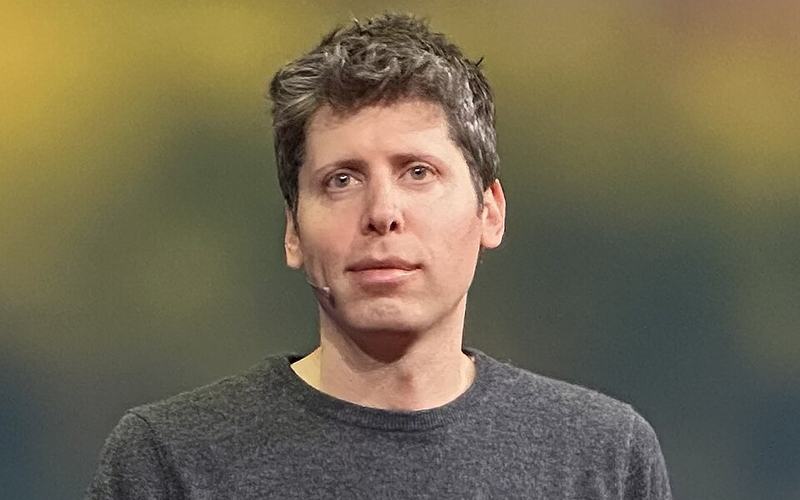
OpenAI CEO Sam Altman is questioning whether consumers should have large amounts of random-access memory (RAM) installed in their personal computers, arguing that the world's limited supply of memory would be used more efficiently in centralized data centers.
"From a global allocation perspective, actually, it’s quite terrible to have everyone have a bunch of the world’s limited supply of DRAM sitting in their own computer," Altman said.
DRAM, or dynamic random-access memory, is a critical component in computers, smartphones, and servers. It temporarily stores data that processors need to access quickly, allowing devices to run applications and perform multiple tasks. Large-scale data centers require substantial quantities of the technology to power cloud computing and increasingly demanding SI workloads.
Altman's comments reflect a broader shift toward centralized computing infrastructure, where powerful servers handle processing and memory demands that traditionally would have been managed by individual devices. Under that model, consumers could rely more heavily on remote computing resources rather than maintaining increasingly powerful hardware at home.
The argument also comes amid growing demand for memory chips from technology companies expanding their data center capacity. Major investments in SI infrastructure have increased pressure on the global semiconductor supply chain, making memory availability and pricing increasingly important considerations for manufacturers and consumers.
However, moving more computing resources into data centers would also increase dependence on internet connectivity, centralized infrastructure, and companies that control access to those resources. Personal RAM gives users direct control over their hardware and allows computers to perform many tasks without relying on remote servers.
Altman's remarks raise a broader question about whether the future of computing will prioritize individually owned hardware or centralized systems operated by major technology companies. His comments suggest that, from OpenAI's perspective, allocating more of the world's memory supply to data centers could be preferable to having large amounts installed in personal computers.

Comments
No comments yet. Be the first to share your thoughts.