
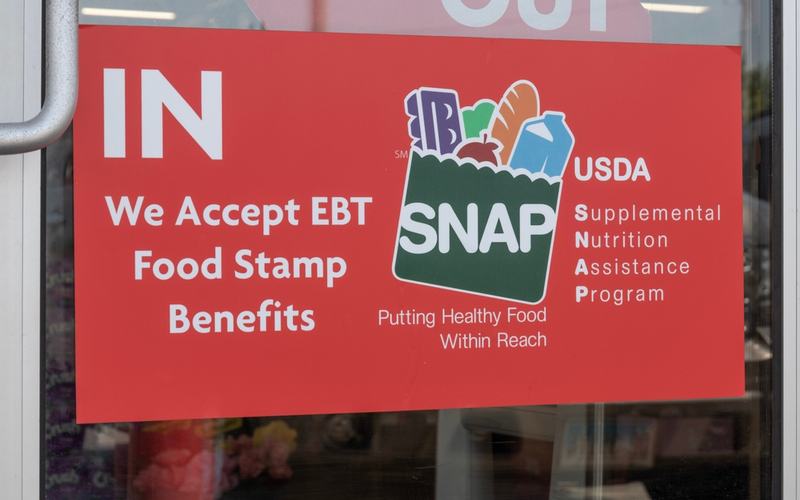
Food pantries across the United States have seen demand nearly double in some areas as participation in the Supplemental Nutrition Assistance Program fell sharply after changes enacted in 2025.
USDA data show SNAP enrollment declined by more than 5.5 million people, or about 13 percent, between July 2025 and July 2026. The drop followed passage of the Republican-led reconciliation law known as H.R. 1, which expanded work requirements, tightened eligibility for certain noncitizens, and limited future benefit adjustments.
Pantries have responded by increasing distributions and extending hours. One Indiana food bank that served 17,000 households in 2024 projects it will reach 30,000 this year. Similar increases have occurred in Colorado, Kentucky, Pennsylvania, and other states, according to reports from operators.
The shift places greater pressure on private and local resources. Some pantries noted longer lines and reduced per-household allotments from federal commodity programs. In West Virginia, one site reported serving 700 to 800 households monthly with smaller average packages than in prior years.
Administration officials described the 2025 changes as necessary to focus benefits on the most vulnerable and reduce program costs, which had grown substantially in previous years. The law is projected to save nearly $187 billion over a decade.
On November 10, the USDA proposed an additional rule to end broad-based categorical eligibility, a policy used in most states that links SNAP access to other aid programs. The change could affect up to 6.3 million current recipients starting in fiscal 2029, according to agency estimates.
Community organizations have absorbed part of the resulting gap. Advocates for the reforms argue that expanded private charity and state flexibility demonstrate the effectiveness of moving away from federal dependency. Enrollment now stands near 36 million, down from higher levels before the reforms took effect.

Comments
No comments yet. Be the first to share your thoughts.