
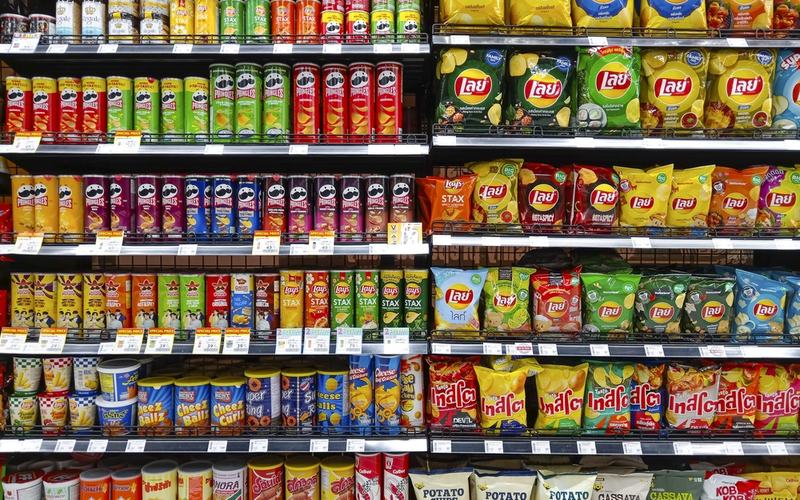
A large study published October 15 in PLOS Medicine found no statistically significant association between overall ultra-processed food consumption and colorectal cancer among older American adults. The findings complicate growing concerns about heavily processed diets, but researchers stressed that the results do not mean all ultra-processed foods are harmless or that diet plays no role in cancer risk.
Researchers analyzed data from 461,682 adults who were between 50 and 71 years old when they enrolled in the NIH-AARP Diet and Health Study in 1995 and 1996. Participants were followed for a median of 18.8 years, during which 10,075 cases of colorectal cancer were identified.
After accounting for demographic, lifestyle, and health-related factors, researchers found that participants with the highest overall ultra-processed food intake did not have a significantly higher risk of colorectal cancer than those with the lowest intake. The statistical estimate was 0.97, indicating no meaningful increase in risk across the two groups.
The results suggest that grouping foods based primarily on how they are processed may not fully explain their relationship with cancer. Ultra-processed foods encompass a broad range of products, from processed meats and packaged snacks to some whole-grain and dairy-based foods, which can have very different nutritional profiles.
The researchers found that the type of food mattered. Meat consumption was associated with higher colorectal cancer incidence whether the meat came from ultra-processed or less-processed sources. By contrast, whole grains, fiber, dairy products, and calcium were associated with lower incidence, including when those nutrients came from foods classified as ultra-processed. The findings support existing dietary guidance to consume more whole grains and fiber while limiting processed meat.
However, the study does not settle the debate over ultra-processed foods and the rising number of colorectal cancer cases among younger adults. Participants were at least 50 years old at enrollment, and their diets were assessed using questionnaires from the mid-1990s. The researchers therefore could not directly determine whether current eating patterns contribute to the increase in colorectal cancer among people under 50.
Earlier research has produced mixed findings. A 2022 study of three large U.S. cohorts found that men with the highest ultra-processed food consumption had a 29% higher risk of colorectal cancer than men with the lowest intake, although the overall association was not observed among women. Other research has examined possible links between ultra-processed foods and precancerous growths in younger adults.
The latest study also has limitations. It was observational, meaning it can identify associations but cannot establish cause and effect. Dietary information was self-reported, and the researchers noted that errors in reporting or classifying foods could have affected the results. The study also did not resolve whether particular additives or other features of modern food production may influence cancer risk.
Researchers say the findings should not be interpreted as a reason to disregard dietary quality. Instead, they indicate that the nutritional composition of food may be more informative than its processing category alone, while the causes of rising colorectal cancer rates among younger Americans remain unresolved.

Comments
No comments yet. Be the first to share your thoughts.