
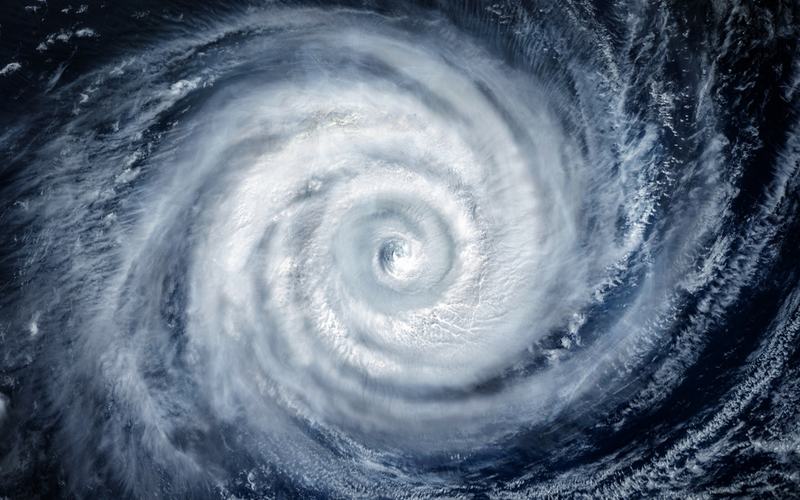
Typhoon Dujuan killed at least four people in Japan on Tuesday through landslides and flooding caused by record rainfall near Tokyo.
The storm, the 25th typhoon of the year, brought violent winds reaching 144 kilometers per hour and dumped exceptional rainfall across the Kanto region, including Kanagawa and Chiba prefectures. Public broadcaster NHK reported that a woman in her 60s died when mud flowed into her home in Yokosuka, Kanagawa. Three additional deaths occurred in Chiba from landslides, with victims ranging in age from their 50s to 80s.[2]
Six people remained missing as of Tuesday afternoon, prompting searches by police, firefighters, and Self-Defense Forces units in the affected areas. Authorities in Kanagawa and Chiba requested military assistance to locate the missing amid ongoing risks from saturated ground and swollen rivers.
The typhoon also left about 45,000 households without electricity in Chiba and damaged hundreds of homes. Japan Airlines canceled 135 flights, and All Nippon Airways scrapped 140 amid the storm's approach. More than 1.6 million residents in and around Tokyo received evacuation alerts on Monday.
By Tuesday morning, Dujuan had shifted northeast toward the Aleutian Islands, allowing most heavy rain and landslide warnings to be downgraded or lifted. The Japan Meteorological Agency noted that Oshima Island recorded 832 millimeters of rain over 48 hours, more than double the average for September, while parts of Tokyo saw record 24-hour totals.
Japan frequently experiences powerful typhoons in late summer and early autumn, and this event disrupted travel and events, including the Tokyo Game Show. The government applied the Disaster Relief Act to multiple municipalities in response to the damage.

Comments
No comments yet. Be the first to share your thoughts.