
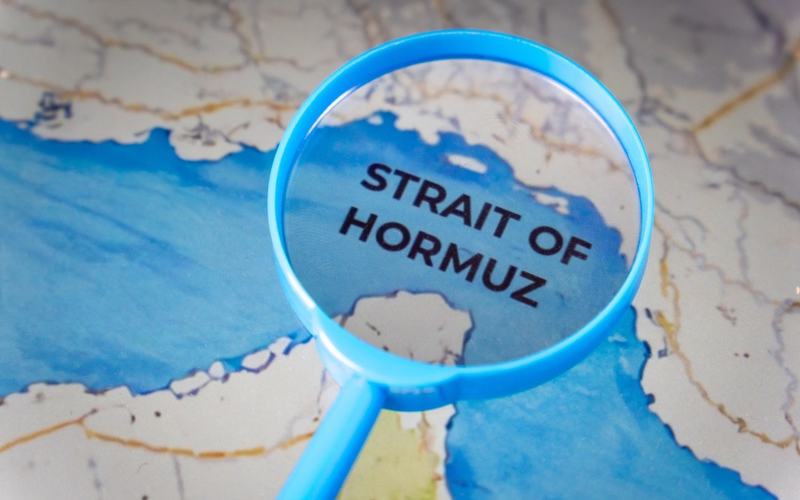
U.S. Central Command said Saturday that more than 1 billion barrels of crude oil have passed through the Strait of Hormuz over the past two months while a U.S. naval blockade has prevented Iran from exporting crude through the waterway.
Adm. Brad Cooper, commander of CENTCOM, announced the milestone in a video statement, saying U.S. forces have helped more than 2,000 commercial vessels transit the strategic waterway by providing coordinated protection. Cooper said the amount of oil, cargo and liquefied natural gas moving through the strait during the previous two weeks was the highest level recorded in six months.
“Over one billion barrels of crude have been shipped from Gulf partners through the Strait of Hormuz, and Iran has exported zero barrels thanks to our ironclad blockade,” Cooper said.
CENTCOM said the primary shipping lanes through the strait have been cleared of mines, allowing thousands of vessels to pass. The military has been supporting commercial traffic through the waterway since launching its Project Freedom operation in May, which was designed to restore freedom of navigation while maintaining the blockade on Iranian commerce.
Iran has disputed U.S. claims that its oil exports have been completely halted. Reuters reported earlier this month that the U.S. blockade had effectively stopped Iranian crude exports through the Strait of Hormuz, although Iranian oil continued to be offered to customers and some shipments remained in offshore storage.
The Strait of Hormuz remains a critical global energy route. Before the current conflict, roughly one-fifth of the world's traded oil and natural gas passed through the waterway. Shipping traffic remains below prewar levels despite the recent increase in commercial transits.
Cooper said CENTCOM is working with all six Gulf Cooperation Council members, as well as shipping and insurance companies, to increase commercial traffic. He also said U.S. forces are assisting regional partners with air defenses and establishing a coalition attack-drone unit while working to keep the Strait of Hormuz and surrounding waters open.

Comments
No comments yet. Be the first to share your thoughts.