
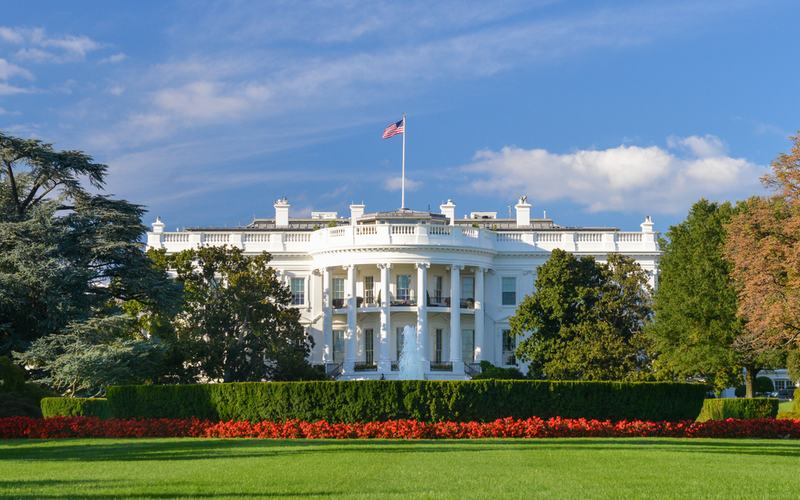
The White House released a new report today warning that policies associated with the Democratic Socialists of America would cost Americans $49 trillion over the next ten years.
The analysis examines the cumulative fiscal impact of major DSA-backed initiatives, including expansive government-run healthcare programs, aggressive climate regulations, and wealth redistribution measures. According to the report, these proposals would require unprecedented levels of new federal spending and taxation that far exceed current budget baselines.
Administration officials described the findings as a clear signal that such policies are unsustainable. The report breaks down the costs across multiple sectors, highlighting how each major proposal contributes to the overall total. Healthcare expansion alone accounts for the largest share through single-payer systems and related entitlements. Climate mandates add substantial expenses via regulatory compliance and subsidies for green energy transitions. Wealth redistribution efforts further increase outlays through higher taxes on high earners and new transfer programs.
The $49 trillion figure represents the projected additional outlays and economic drag over a decade. Officials noted that this amount exceeds the current size of the entire U.S. economy and would require dramatic changes in tax policy to finance, including broad-based increases that affect middle-income households.
The report emphasizes that the burden would fall on working families through higher taxes, reduced economic growth, and increased national debt. It projects slower job creation and wage stagnation as businesses face elevated costs and compliance burdens. Long-term projections show compounding effects on interest payments as debt levels rise sharply.
Critics of DSA-aligned legislation have long argued that the full costs of these programs are routinely understated in public debates. The White House report provides detailed modeling to support those concerns with updated projections based on current legislative proposals.
The release comes amid ongoing congressional discussions about federal spending priorities. Lawmakers on both sides of the aisle are expected to review the analysis as they consider budget proposals for the coming fiscal year.
The report concludes by urging policymakers to prioritize fiscal responsibility and growth-oriented policies over expansive new entitlements. It presents the $49 trillion estimate as a baseline scenario under current DSA platform positions and warns of risks to economic stability if implemented.

Comments
No comments yet. Be the first to share your thoughts.