
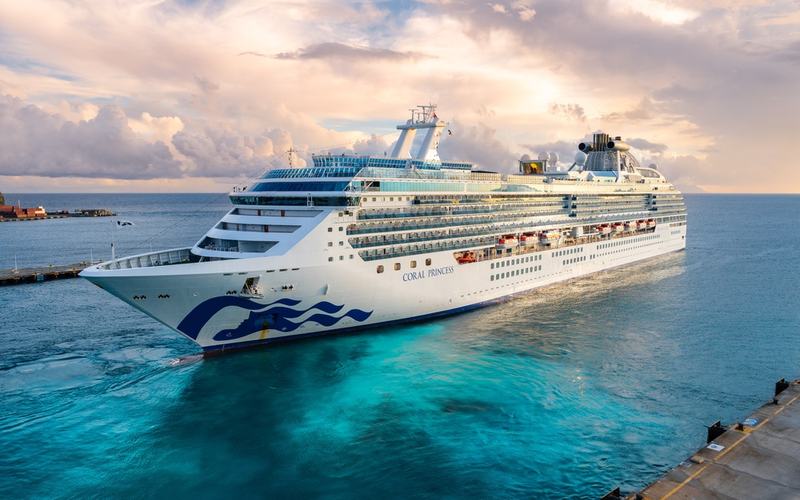
Three patients were evacuated on Wednesday from the MV Hondius cruise ship, which has been at the center of a hantavirus outbreak, and flown to specialized hospitals in the Netherlands. The patients include a 41-year-old Dutch national, a 56-year-old British national, and a 65-year-old German national. Two remain in serious condition, while the third showed no symptoms but had close contact with a deceased passenger.
The Dutch-flagged vessel, carrying nearly 150 passengers and crew from 23 nationalities, departed Ushuaia, Argentina, on April 1 for a South Atlantic itinerary that included Antarctica, South Georgia, remote islands, and Ascension Island before reaching Cape Verde. Cape Verde authorities denied docking permission earlier this week to protect public health, leaving the ship anchored offshore. It is now en route to Tenerife in Spain's Canary Islands, with arrival expected Saturday.
The outbreak has killed three passengers: a Dutch couple aged 69 and 70, and a German national. One body remains on board. A British passenger remains in intensive care in Johannesburg, South Africa, after testing positive for hantavirus. The World Health Organization reports seven cases total, with two laboratory-confirmed and five suspected as of earlier this week; eight cases overall have been recorded, including three confirmed by testing.
South African health authorities identified the Andes strain of hantavirus, the only known variant capable of limited person-to-person transmission through close contact, in samples from two passengers transferred there. They are tracing 62 contacts from earlier disembarkations and flights; 42 tested negative, though 20 remain unlocated. A Swiss man who returned home is also under treatment in Zurich.
The virus typically spreads through inhaling dust contaminated by rodent urine, droppings, or saliva, with symptoms including fever, chills, and muscle aches progressing to severe respiratory issues. WHO Director-General Tedros Adhanom Ghebreyesus said, "At this stage, the overall public health risk remains low."
Passengers have been confined to cabins with physical distancing measures in place. Spain's Health Minister Mónica García Gómez announced plans for health assessments and repatriation from Tenerife, with Spanish passengers quarantining in Madrid hospitals if needed. Canary Islands President Fernando Clavijo expressed opposition to the docking, citing insufficient information for public safety.
The WHO is coordinating with authorities in Cape Verde, the Netherlands, Spain, South Africa, and the UK, supporting testing at labs in South Africa and Senegal.

Comments
No comments yet. Be the first to share your thoughts.