
The U.S. House of Representatives passed legislation on April 30, 2026, to fund the majority of the Department of Homeland Security, ending the longest partial government shutdown in history after 76 days. President Donald Trump signed the bill into law the same day, restoring pay for furloughed TSA agents and reopening key agencies like FEMA and cybersecurity operations.
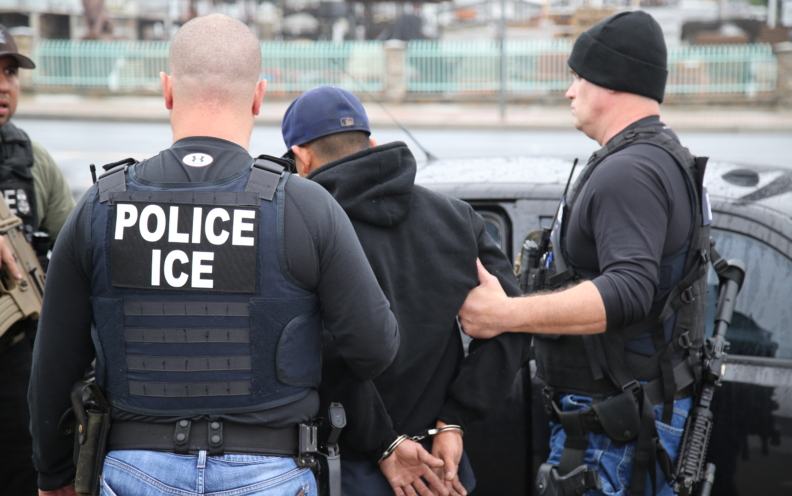
The shutdown stemmed from Senate Democrats' repeated blocking of DHS funding bills unless Republicans agreed to sweeping reforms for ICE, the agency's immigration enforcement arm. It began on February 14 when funding lapsed amid stalled negotiations. Democrats, led by Senate Minority Leader Chuck Schumer, demanded changes following the fatal shootings of U.S. citizens Alex Pretti and Renee Nicole Good by ICE agents in Minneapolis in January.
Their 10-point list included requirements for judicial warrants before entering private property, bans on masks and face coverings for agents, mandatory display of identification, restrictions near sensitive locations like schools and churches, body cameras, and stricter use-of-force policies. Schumer argued these were essential to curb "reckless and out-of-control" practices.
Republicans rejected the demands, viewing them as an attempt to hamstring border enforcement during heightened threats. Senate Majority Leader John Thune warned that the standoff furloughed critical cybersecurity staff amid rising dangers. House Speaker Mike Johnson called Democrats' actions "irresponsible" in light of global tensions, including military actions in Iran.
Democrats blocked at least five Senate votes on full DHS funding, including a 51-45 tally on March 5. The compromise bill, H.R. 7744, provides about $92 billion for DHS through fiscal year 2026 but omits ICE and Customs and Border Patrol funding. Republicans plan to fund those via budget reconciliation, bypassing Democratic votes.
The shutdown impacted over half of DHS's workforce, with TSA lines lengthening and vulnerability checks halted. President Trump fired DHS Secretary Kristi Noem on March 5 amid the chaos. Democrats hailed the outcome as leverage won, while critics accused them of prioritizing politics over security.
ICE operations have continued on prior funds and fees, largely unaffected. Negotiations on reforms and full ICE funding remain stalled as fiscal deadlines loom.

Comments
No comments yet. Be the first to share your thoughts.