
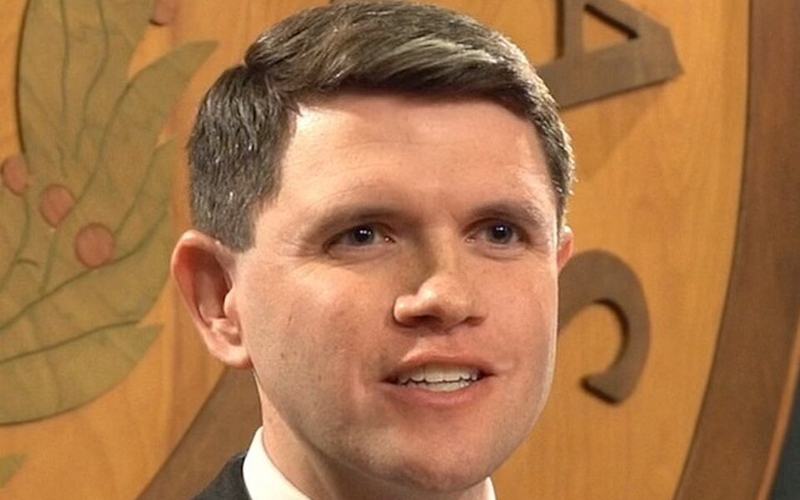
James Talarico, a Democratic candidate for the U.S. Senate in Texas, has said he does not view Christianity as the only religious tradition capable of leading people toward truth, specifically including Islam among the faiths he believes can point toward the same underlying reality.
James talarico says Islam and Christianity are "equal pathways to truth."
— Lone Star Liberty PAC (@LoneStar_PAC) July 8, 2026
"I always think of all the world's faith traditions as a circle, with that divine mystery of the universe in the middle. We all have different names for that mystery, whether it's God or Yahweh or Allah or… pic.twitter.com/esjcNOopm4
In a recent interview with New York Times columnist Ezra Klein, Talarico was asked whether he believed Christianity was more true than other religions. He responded that he believes “Christianity points to the truth” but also believes “other religions of love point to the same truth.”
Talarico went on to describe different religious traditions as having different ways of describing what he called the same fundamental reality. He specifically referenced Buddhism, Hinduism, Islam and Judaism, saying he views the traditions as “circling the same truth about the universe, about the cosmos.”
In a separate clip that resurfaced in July, Talarico similarly described the world’s faith traditions as different pathways to what he called the same fundamental truth, referring to different names for the divine, including God, Yahweh and Allah.
The comments have drawn criticism from Christian commentators who argue that Talarico’s view conflicts with traditional Christian teaching about the uniqueness of Jesus Christ. John 14:6 records Jesus saying, “I am the way, and the truth, and the life,” a passage traditionally understood by Christians as affirming Christ as the exclusive way to the Father.
Talarico is a Presbyterian seminarian and has frequently discussed his Christian faith while also emphasizing religious pluralism and engagement with other faith traditions. His comments have therefore become part of a broader discussion surrounding his religious beliefs as he campaigns for the Democratic nomination and eventual Senate race in Texas.
The issue is likely to remain part of the public discussion surrounding Talarico’s campaign, particularly among voters for whom questions about Christian theology and the role of faith in public life are significant.

Comments
No comments yet. Be the first to share your thoughts.