
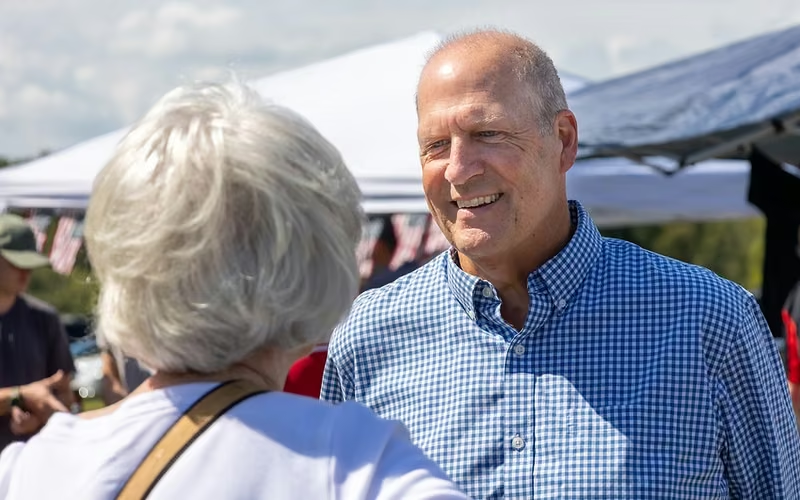
New Hampshire Democrats are sounding alarms about their chances in the race for the state's open U.S. Senate seat. Representative Chris Pappas, the likely Democratic nominee, sent a fundraising email on Friday stating bluntly that "We’re losing."
The state has not elected a Republican to the Senate since 2010. Pappas faces a tough contest against former Senator John E. Sununu, a well-known figure from one of New Hampshire's prominent political families. A recent University of New Hampshire poll showed Pappas trailing Sununu 43 percent to 45 percent in a hypothetical general election matchup.
Pappas, a four-term congressman, is expected to win the Democratic primary on Tuesday against progressive challenger Karishma Manzur. Sununu holds a strong lead in the Republican primary over Scott Brown. The general election on November 3 will determine the successor to retiring Democratic Senator Jeanne Shaheen.
Republicans have recruited a strong candidate in Sununu and are backing him with significant resources. The Senate Leadership Fund, the main Republican Senate super PAC, has pledged $17 million in spending for New Hampshire. Democrats' counterpart has announced plans for $10.2 million in advertising.
The race has drawn attention because New Hampshire leans Democratic at the federal level, with Kamala Harris carrying it by about three points in 2024. Yet Sununu's name recognition and family ties have made the contest competitive. Pappas has emphasized the national stakes, noting that holding the seat is critical for Democratic efforts to regain Senate control.
Polls have shown the race within the margin of error in recent months. Earlier surveys gave Pappas small leads, but the latest University of New Hampshire poll marked the first time Sununu edged ahead. Analysts point to Sununu's appeal among independents and moderates as a factor narrowing the gap.
Pappas has worked to consolidate support ahead of the primary while addressing concerns about a narrowing lead over Manzur in Democratic polling. The outcome in New Hampshire could influence broader Senate dynamics in November.

Comments
No comments yet. Be the first to share your thoughts.