
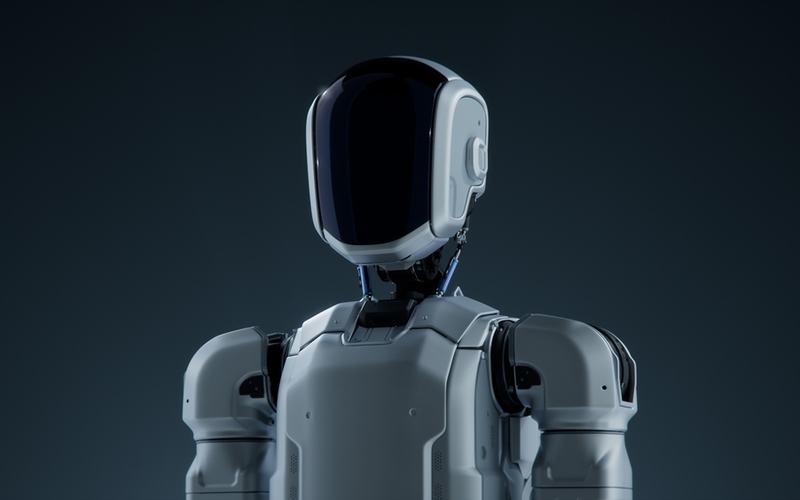
Japan Airlines has initiated a groundbreaking trial of humanoid robots at Tokyo's Haneda Airport to handle baggage and cargo operations on the tarmac. The two-year experiment, which started at the beginning of May 2026, aims to address chronic labor shortages in ground handling amid a booming tourism sector and an aging population.
JAL Ground Service Co., Ltd., a subsidiary of Japan Airlines, partnered with GMO AI & Robotics Corporation for the project, marking Japan's first demonstration of humanoid robots in airport operations. The robots, primarily Chinese-made models from Unitree Robotics such as the G1 and H1, stand about 130 centimeters tall and feature advanced AI for tasks requiring human-like dexterity. They can lift and move heavy luggage, push cargo onto conveyor belts, and perform simple interactions like waving or handshaking, though they require recharging every two to three hours.
The trial begins with feasibility studies and risk assessments to identify safe operational areas, followed by tests in simulated environments and eventual integration alongside human workers. Initial focus is on baggage loading and unloading, with potential expansion to aircraft cabin cleaning and operation of ground support equipment like baggage carts. Haneda Airport, which processed over 60 million passengers last year, faces increased strain from record inbound tourism, including more than 7 million visitors in the first two months of 2026.
Labor shortages have intensified in Japan's aviation sector, with ground crew numbers dropping from 26,300 in March 2019 to 23,700 by September 2023. Officials cite the declining working-age population and physical demands of tarmac work as key drivers. Yoshiteru Suzuki, president of JAL Ground Service, stated that deploying robots for demanding tasks would "inevitably reduce the burden on workers and provide significant benefits to employees." Tomohiro Uchida, president of GMO AI & Robotics, noted that airport back-end operations "still rely heavily on human labour and face serious labour shortages."
The initiative aligns with broader efforts to integrate humanoid robots into Japanese workplaces, from factories to warehouses, without major infrastructure changes. GMO Internet Group has designated 2026 as the "First Year of Humanoids," following the opening of its Humanoid Lab in Shibuya. While early demonstrations show promise, experts caution that the robots still need human oversight for complex or delicate tasks.
If successful, the trial could lead to permanent deployment by 2028, helping sustain operations as Japan projects a need for over 6.5 million foreign workers by 2040 to offset workforce shrinkage.

Comments
No comments yet. Be the first to share your thoughts.