
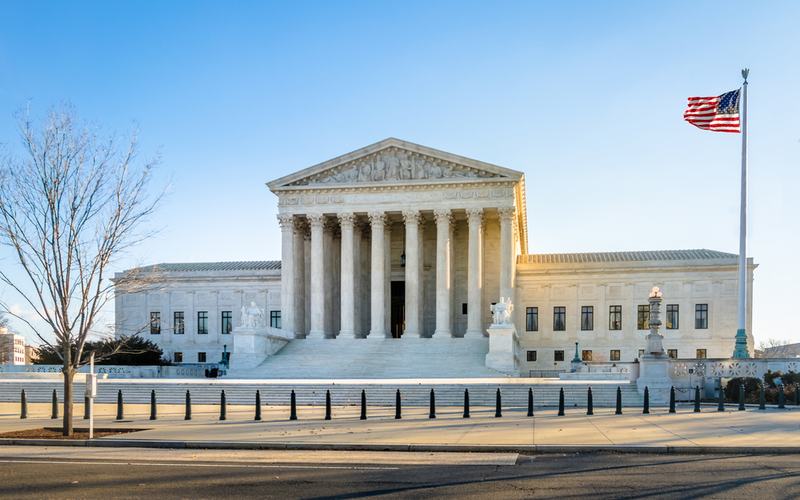
The Supreme Court will hear oral arguments Tuesday on the Trump administration's effort to terminate Temporary Protected Status, or TPS, for nationals of Haiti and Syria. The cases, Trump v. Miot and Noem v. Doe, challenge decisions by Homeland Security Secretary Kristi Noem to end the designations, which shield immigrants from deportation due to unsafe conditions in their home countries.
TPS, created by Congress in 1990, allows the DHS secretary to temporarily protect nationals of designated countries from removal and grant work authorization when ongoing armed conflict, environmental disasters or other extraordinary conditions make return unsafe. Designations last up to 18 months and can be extended, but the program is meant to be temporary. As of early 2026, about 1.3 million people from 17 countries held TPS. The administration aims to rescind TPS for 13 countries, arguing many conditions no longer warrant protection and the program has strayed from its temporary purpose.
Noem announced the terminations for Haiti and Syria last year, setting end dates that lower courts blocked. In Trump v. Miot, Haitian TPS holders sued in federal court in Washington, claiming the decision was rushed, preordained, and driven by racial animus rather than changed country conditions. U.S. District Judge Ana Reyes issued a preliminary injunction, finding violations of administrative law. The 2nd U.S. Circuit Court of Appeals upheld the block. A similar path unfolded in Noem v. Doe for Syrians.
The Trump administration argues the Immigration and Nationality Act bars courts from reviewing TPS termination decisions, including procedures and rationale. "The TPS statute unambiguously bars judicial review," the Justice Department stated in Supreme Court filings. It contends the secretary followed required steps, consulted agencies, and acted in the national interest by enforcing the program's temporary nature. A White House spokesperson said TPS "was never intended to be a pathway to permanent status."
Challengers maintain courts can review whether terminations comply with statutory procedures, such as proper country-conditions assessments and interagency input. They allege the process was pretextual, with minimal State Department involvement and decisions aimed at dismantling TPS broadly. Ahilan Arulanantham, a lawyer for Syrian TPS holders, called it "a war on this congressional statute."
The court accepted the cases for full briefing after denying immediate relief requests. Arguments are set for the final day of the April session, with a decision expected by early July. The ruling could affect hundreds of thousands directly and set precedent for other TPS challenges. Last year, the Supreme Court allowed the administration to end TPS for Venezuelans, leading to some deportations.

Comments
No comments yet. Be the first to share your thoughts.