
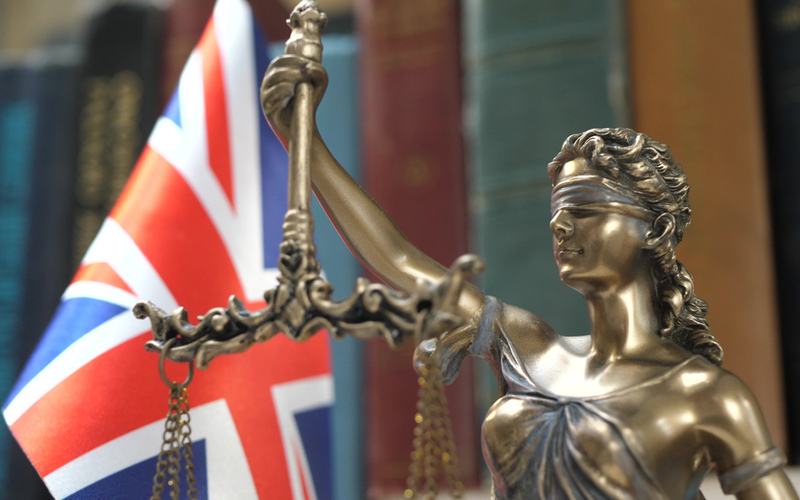
Britain’s new Labour government has scrapped plans to significantly reduce the use of jury trials in England and Wales, reversing a major criminal justice policy introduced under former Prime Minister Keir Starmer.
The decision was announced Sunday by Justice Secretary Alex Norris, who said he had heard the strength of opposition to increasing the number of judge-only trials and had decided to “change course.”
The original proposal, developed under former Justice Secretary David Lammy, would have removed jury trials for many offenses where defendants were likely to receive sentences of three years or less. Those cases would instead have been heard by a single Crown Court judge.
The Starmer government argued the changes were necessary to tackle a massive backlog in Britain’s criminal courts. More than 80,000 cases were awaiting resolution in the Crown Courts at the end of June, nearly twice the number recorded in 2020.
Burnham had signaled for months that he was uncomfortable with the proposal. In July, he said his “instincts” were to find ways to avoid reducing access to jury trials, citing his personal experience of the Hillsborough disaster and the lengthy fight for justice that followed.
Under the revised approach, most of the proposed expansion of judge-only trials will be abandoned. Some complex fraud and financial cases will still be eligible to proceed without a jury, while other changes will give magistrates greater sentencing powers.
The government is also changing the rules governing “either-way” offenses, meaning defendants accused of certain relatively minor crimes will no longer have the final say over whether their case is heard in the Crown Court with a jury or in a magistrates’ court.
The reversal was welcomed by the Criminal Bar Association, although its chairman, Andrew Thomas KC, warned that concerns remain over the broader changes to jury trials and the additional pressure that could be placed on already strained magistrates’ courts.
The government maintains that abandoning the wider jury restrictions will allow it to begin tackling the court backlog sooner by avoiding the extensive structural changes required under Starmer’s original proposal. The revised Courts and Tribunals Bill is expected to return to Parliament later this month.

Comments
No comments yet. Be the first to share your thoughts.