
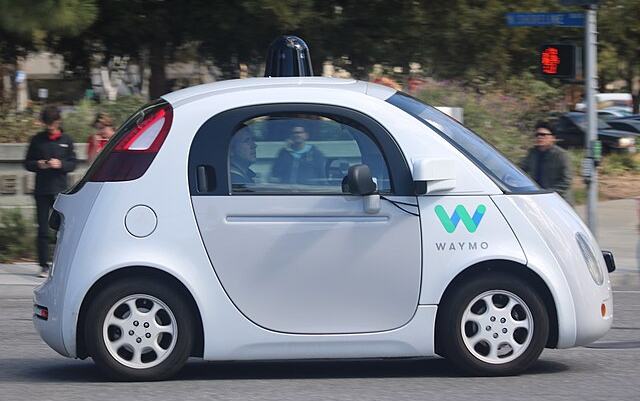
Waymo's driverless vehicles have been pulled from California freeways after state regulators determined that the company's autonomous driving operations posed a threat to public safety. The California Department of Motor Vehicles issued the restrictions on Nov. 11, but the decision was not publicly announced until Tuesday, November 17th.
The order prohibits Waymo from operating or testing its driverless vehicles on any California freeway. The DMV said the decision followed repeated incidents in which autonomous vehicles entered active construction areas, putting workers, equipment and other motorists at potential risk.
One incident occurred Nov. 5, when three Waymo vehicles entered an active construction closure on U.S. Route 101 near Burlingame. The following day, another vehicle encountered California Highway Patrol officers conducting a traffic break on Interstate 280 in San Francisco. Video of the incident showed the driverless car attempting to move past the patrol vehicles before being blocked.
The department said the problems were particularly concerning because similar incidents had occurred earlier in the year, despite previous restrictions and corrective measures implemented by the company.
“The Department determined that Waymo’s driverless freeway operations pose an imminent hazard to public safety due to recurring incursions by its vehicles into active construction zones where construction workers, vehicles and equipment are present,” the DMV said.
The latest action follows an earlier suspension of Waymo's freeway operations in May, when the company faced problems navigating construction zones. Waymo resumed freeway service in July after making software changes intended to improve how its vehicles responded to road closures and construction activity.
The DMV's latest restrictions will remain in place until Waymo demonstrates that it has taken effective corrective action to address the identified problems. Regulators have indicated that the company must provide evidence that its vehicles can properly recognize and respond to construction zones, emergency vehicles and other roadway situations before freeway operations can resume.
Waymo has also temporarily suspended freeway operations in its other U.S. markets while it evaluates the performance of its autonomous driving systems. The company said the recent encounters on U.S. 101 did not result in injuries or collisions, while emphasizing that it is working with California officials to restore freeway access.
“Safety is at the foundation of everything we do,” a Waymo spokesperson said. The company added that its ride-hailing service would continue operating on surface streets, where it currently provides more than 500,000 trips each week.
The restrictions represent another setback for Waymo's expansion of driverless transportation. Freeway access has been an important part of the company's efforts to connect passengers with destinations across major metropolitan areas, including airports and locations farther from city centers.
For now, Waymo's vehicles can continue providing rides on California surface streets, but the company will have to demonstrate that it has addressed regulators' concerns before its driverless cars can return to the state's freeway.

Comments
No comments yet. Be the first to share your thoughts.