
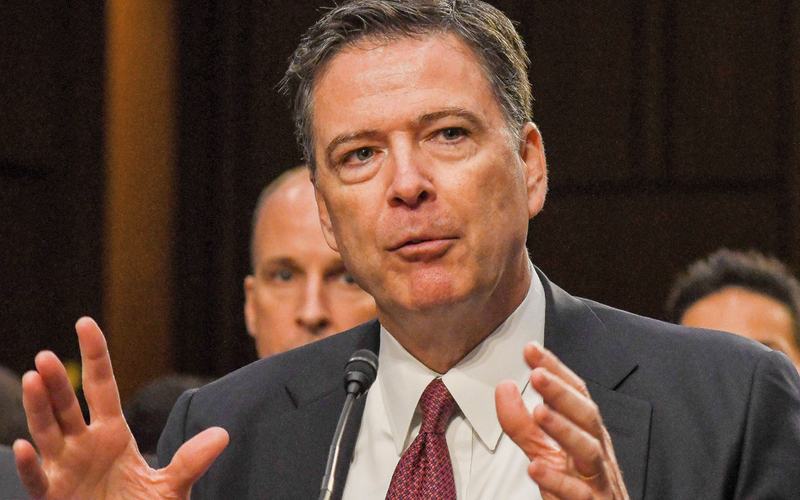
Former FBI Director James Comey is scheduled to appear in federal court Friday as his attorneys seek to dismiss a new Trump administration prosecution accusing him of unlawfully disclosing classified national defense information nearly a decade ago.
Comey, whom President Donald Trump fired in 2017, faces two alleged violations of the Espionage Act stemming from an October 5, 2016, disclosure to a New York Times reporter. Federal prosecutors allege that Comey directed FBI personnel to provide classified information to a journalist who was not authorized to receive it.
The Justice Department filed a criminal information against Comey on October 5, exactly 10 years after the alleged disclosure. The charges accuse him of unlawfully transmitting national defense information and conspiring with others to disclose it.
The legal strategy has become a central issue in the case. Unlike a grand jury indictment, a criminal information can be filed directly by prosecutors without first obtaining approval from a grand jury.
Comey's attorneys argue that prosecutors improperly used that procedure and failed to secure a valid indictment before the 10-year statute of limitations expired. They are asking the court to dismiss the charges as untimely.
"The criminal information charging Mr. Comey should be dismissed as time barred," his lawyers wrote.
The Justice Department disputes that argument, maintaining that filing the criminal information before the deadline preserved the government's ability to prosecute. Prosecutors also argue that Comey's request is premature because a grand jury has not yet returned an indictment.
The case centers on an October 5, 2016, New York Times article by reporter Charlie Savage concerning Yahoo's alleged cooperation with secret government email surveillance. Prosecutors allege Comey authorized FBI employees to contact Savage to correct information contained in an earlier Reuters report, resulting in the unauthorized disclosure of classified material.
Comey's defense team maintains that the allegations were previously examined by federal investigators and did not result in criminal charges.
Patrick Fitzgerald, Comey's attorney, told Newsmax that two separate prosecutorial teams investigated the allegations during Trump's first administration and independently decided not to pursue charges.
"Both times the Government determined that no charges should be brought against anyone," Fitzgerald said.
Fitzgerald added that Comey "steadfastly maintains his innocence."
The prosecution represents the third federal criminal case brought against Comey since September 2025. An earlier case in Virginia accused him of lying to Congress, but a federal judge dismissed the indictment after determining that Lindsey Halligan, the Trump-appointed prosecutor overseeing the case, had been unlawfully appointed.
Comey also faces a separate federal case in North Carolina involving an Instagram photograph showing seashells arranged to spell "8647." Prosecutors allege the image constituted a threat against President Trump. Comey has denied wrongdoing, and that case remains pending.
U.S. District Judge Trevor McFadden ordered the latest criminal information unsealed Monday, citing significant public interest in the allegations against a former director of the FBI.
Friday's hearing will focus on whether the Justice Department's use of a criminal information was legally sufficient to preserve the prosecution before the statute of limitations expired. The judge's decision could determine whether the latest case against Comey moves forward or is dismissed before reaching trial.

Comments
No comments yet. Be the first to share your thoughts.