
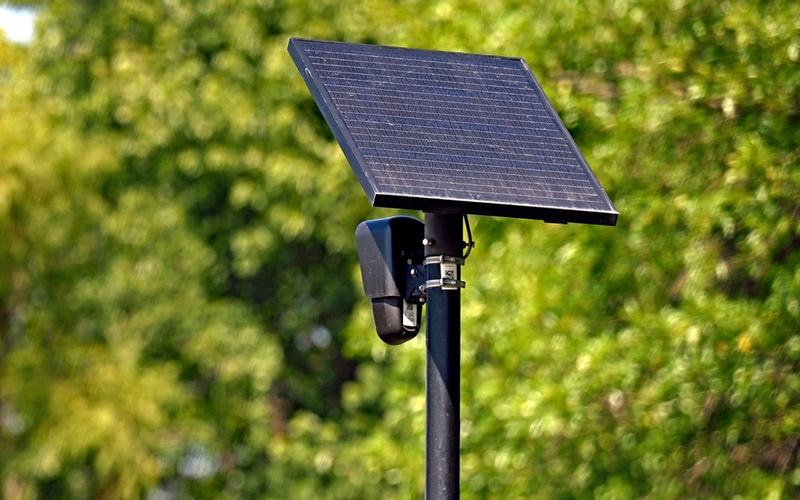
Some social media users are promoting October 31 as “De-Flock America” night, a campaign targeting Flock surveillance cameras across the country and encouraging resistance to the expanding use of automated license plate readers.
Posts circulating online are using Halloween as the focal point because millions of Americans will be outside after dark wearing costumes and masks. Supporters of the campaign have pointed to the holiday's crowds and disguises in their messaging, raising concerns that some individuals could attempt to conceal their identities while targeting surveillance equipment.
Flock Safety operates automated license plate reader cameras used by law enforcement agencies and other organizations to identify vehicles, track their movements, and assist with criminal investigations. The cameras capture license plate information and other vehicle details, allowing participating agencies to search collected data when investigating incidents.
The technology has become increasingly controversial as more communities adopt the camera systems. Privacy advocates and critics argue that widespread license plate tracking creates an extensive surveillance network that could allow authorities to monitor people's movements, raising questions about data retention, access to information, and potential misuse.
Supporters of the cameras, meanwhile, argue that the systems provide law enforcement with useful investigative tools, helping officers locate stolen vehicles, identify suspects, and solve crimes. The disagreement has fueled debates in communities across the country over whether the public safety benefits outweigh concerns about privacy and government surveillance.
The “De-Flock America” campaign reflects the growing opposition to the technology, with social media users attempting to turn Halloween into a nationwide protest against Flock's camera network.
However, calls to target or damage surveillance equipment raise serious legal and public safety concerns. Destroying or interfering with privately or publicly owned cameras can result in criminal charges. Opposition to the technology can be expressed through lawful protests, public meetings, and efforts to persuade local governments to reconsider their contracts with surveillance companies.

Comments
No comments yet. Be the first to share your thoughts.