
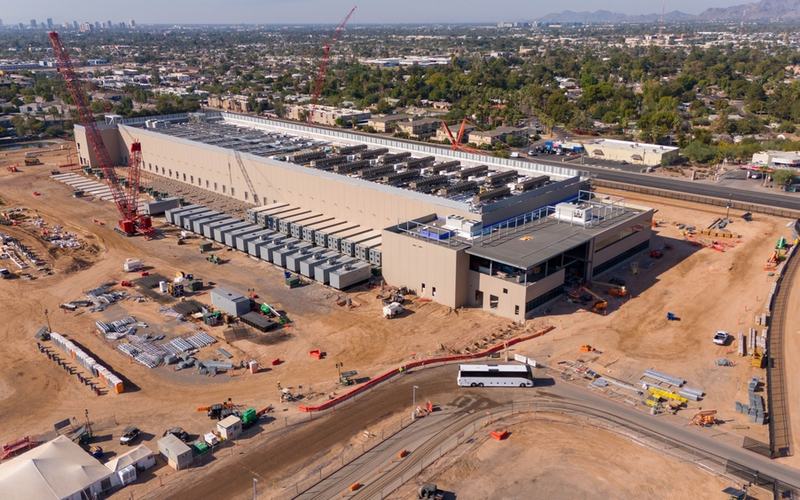
Voter anger over data centers powering the artificial intelligence boom has emerged as a potent force in the 2026 midterm elections, toppling candidates in both parties who backed large-scale projects. Opposition stems from concerns over surging household electricity bills, heavy water consumption for cooling, noise pollution, and generous tax incentives that shift costs to taxpayers.
Polls conducted this year show roughly two-thirds of Americans oppose new data centers in their communities, with Gallup surveys indicating opposition rates as high as 70 percent in some regions. This sentiment has translated into electoral consequences. In Utah, State Senate President J. Stuart Adams lost his Republican primary after supporting a major development near the Great Salt Lake. Local officials in Missouri, Virginia, and other states have similarly lost seats after approving projects.
States have responded with new restrictions. New York imposed a year-long moratorium on hyperscale facilities. Virginia Governor Abigail Spanberger signed an executive order last week tightening permitting rules, banning certain non-disclosure agreements, and pushing for greater use of renewables instead of gas turbines. Texas Governor Greg Abbott froze some new approvals amid worries over power and water supplies. Pennsylvania and other states now require developers to cover more infrastructure costs.
The issue cuts across party lines but carries particular weight in competitive districts. Candidates in at least 21 races have run ads highlighting data centers, often tying them to higher utility rates. Republican strategists have flagged the topic as a potential vulnerability in Senate races like Ohio, where demand from data centers drove up capacity costs by billions. President Trump has criticized the backlash, arguing it hands advantages to competitors like China, while many GOP candidates distance themselves from past pro-development stances.
Data centers promise jobs and tax revenue but deliver few permanent positions relative to their footprint. Communities report minimal economic spillover alongside visible burdens like strained grids and environmental impacts. Grassroots groups tracking the movement count hundreds of thousands of active opponents and hundreds of new organizations formed in recent months.
The backlash reflects broader populist skepticism toward Big Tech and government subsidies that favor large corporations. With November elections approaching, candidates who fail to address local concerns over costs and transparency risk further defeats, regardless of party affiliation.

Comments
No comments yet. Be the first to share your thoughts.