
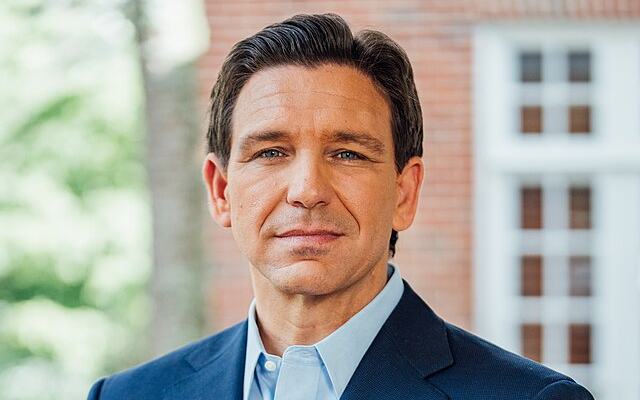
Florida Gov. Ron DeSantis offered asylum in his state to the lone holdout juror in the Lindsay Clancy murder trial on Friday after NBC10 Boston reported on the man's past domestic violence allegations.
The unidentified juror was the sole holdout when the Massachusetts jury split 11-1 on finding Clancy not guilty by reason of insanity in the deaths of her three young children. The panel ultimately deadlocked, resulting in a mistrial.
DeSantis accused the Boston station of attempting to smear the juror, who has not publicly identified himself. "A man objected to allowing a woman to kill her three young kids and get away with it, so NBC is trying to smear that juror, whose identity should be protected," DeSantis wrote on X. "Another low for legacy media."
He added that Florida would welcome the man if harassment followed the publicity. "If the juror is being harassed, Florida will provide asylum — I’m sure he’d be welcomed and appreciated," the governor stated.
NBC10 Boston's investigative unit reported that court records showed the juror faced a 2021 assault charge in Brockton District Court after his 13-year-old nephew called 911 alleging the man grabbed his then-wife by the throat and threw her into a dresser. The charge was later dismissed, and the couple divorced. The nephew obtained a restraining order against the juror last year, which remained active during the trial. The report also noted an ongoing eviction case involving unpaid rent.
Other jurors interviewed by the station described the holdout as resistant to evidence and instructions on reasonable doubt, though he reportedly acknowledged having some doubt before refusing to acquit.
Clancy, a former labor and delivery nurse, admitted to strangling her three children in their Duxbury home in January 2023. She has pleaded not guilty by reason of insanity, citing severe mental health issues.
The case drew national attention due to the brutal nature of the crimes and questions over mental health defenses in child murder cases. DeSantis's intervention highlights concerns over media practices that expose jurors to public scrutiny after high-profile trials.

Comments
No comments yet. Be the first to share your thoughts.