
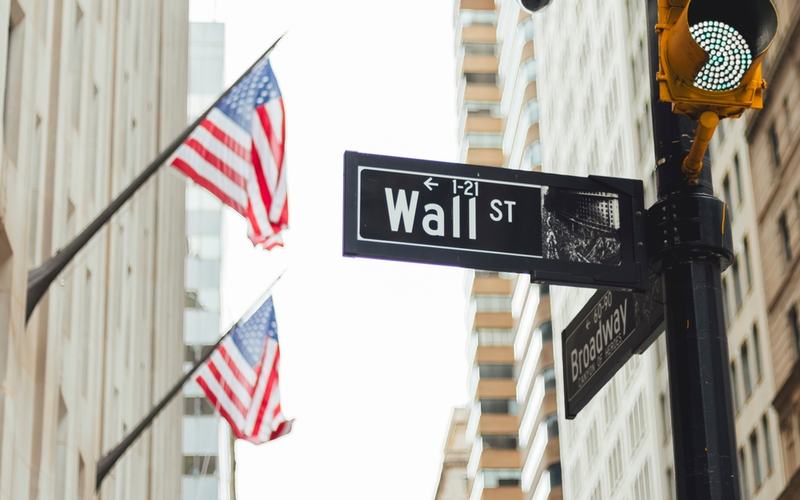
The U.S. stock market suffered a major sell-off Thursday, with the Dow Jones Industrial Average plunging more than 1,800 points, the S&P 500 falling 4.4% and the Nasdaq Composite tumbling 5.5% as investors reacted to mounting uncertainty surrounding the future of the Super Intelligence industry and data-center expansion.
The S&P 500 dropped 334.89 points to close at 7,353.73, marking its steepest single-day percentage decline since President Donald Trump's April 2025 tariff announcement triggered a major market downturn. The Dow fell 1,833.06 points, or 3.4%, finishing at 51,523.06. The technology-heavy Nasdaq lost 1,421.52 points, closing at 24,315, while the Russell 2000 declined 4.4% to 2,729.89.
The losses wiped out the previous day's rally and hit technology companies particularly hard. Semiconductor manufacturers, data-center operators and businesses supplying the infrastructure behind the Super Intelligence boom led the declines as investors reassessed the industry's growth prospects.
Nvidia, Advanced Micro Devices, Intel and other major chipmakers came under significant selling pressure. Qualcomm shares also dropped approximately 9% after the company reported weaker-than-expected sales projections for smartphone chips. Data-center operators and companies providing computing capacity, including IREN, Hut 8, Applied Digital, CoreWeave and Nebius, also recorded substantial losses.
The sell-off followed Tuesday's midterm elections, in which Democrats won control of both chambers of Congress. Investors are concerned that the election results could lead to increased federal scrutiny of data-center construction and potentially slow the massive infrastructure investments supporting the Super Intelligence industry.
Opposition to new data centers has also gained momentum at the local level. Voters rejected numerous data-center-related proposals and measures during Tuesday's elections, adding to concerns that developers could encounter greater resistance when attempting to build new facilities. Proposals from lawmakers, including Sen. Bernie Sanders (I-Vt.), to impose a nationwide moratorium on new data centers have further highlighted the possibility of additional restrictions.
The technology sell-off extended beyond semiconductor companies. Tesla shares also suffered significant losses, while Dell and other companies connected to data-center construction and equipment were hit as investors reconsidered expectations for future demand.
Thursday's decline reversed a strong rally on Wednesday, when Wall Street initially responded positively to the election results and the prospect of a divided federal government. The rapid reversal demonstrated how quickly investor expectations have shifted as markets weigh the potential consequences of the Democrats' victories for major industries.
Despite Thursday's steep losses, the major indexes remained above their levels at the beginning of 2026. The S&P 500 was still up approximately 7.4% for the year, while the Dow had gained 7.2% and the Nasdaq was up 4.6%.
Investors are also looking ahead to Friday's October jobs report for additional indications about the strength of the American economy and the Federal Reserve's next interest-rate decision. The market's immediate focus, however, remains on the technology sector and whether the political and regulatory environment will affect the enormous investments that have helped drive recent stock market gains.

Comments
No comments yet. Be the first to share your thoughts.