
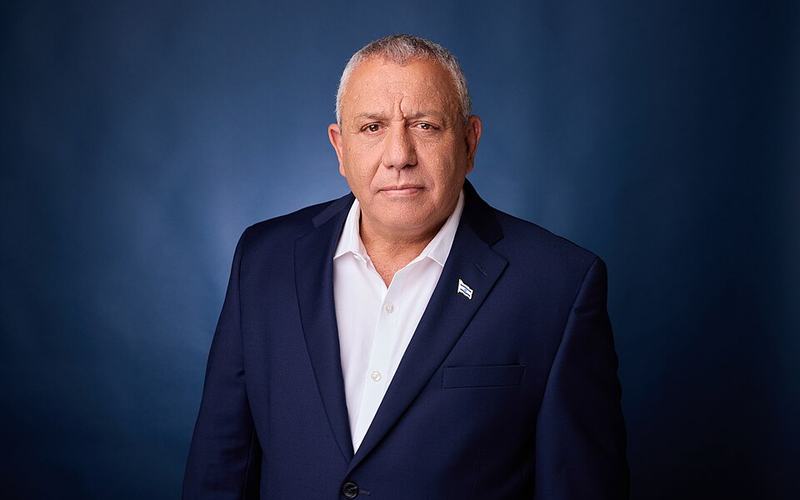
Israel’s opposition leader Gadi Eisenkot gained significant ground in the effort to replace Prime Minister Benjamin Netanyahu on Thursday after both major Arab-led political alliances endorsed him to form the next government. The endorsements came as the ultra-Orthodox United Torah Judaism party declined to recommend Netanyahu, weakening his position during negotiations following the October 27 parliamentary election.
The Joint List, which secured 11 seats in the 120-member Knesset, announced that it would recommend Eisenkot to President Isaac Herzog. Ra’am, which won eight seats, also backed the former Israel Defense Forces chief. Together, the two Arab-led alliances hold a record 19 seats, giving them considerable influence over the formation of the next government.
Eisenkot’s opposition bloc won 48 seats, compared with 53 for Netanyahu’s nationalist and religious coalition. With the backing of the Arab-led parties, Eisenkot could receive recommendations from lawmakers representing 67 seats, a majority in parliament. However, those endorsements do not necessarily mean the Arab parties will join his government or that all 67 lawmakers will support a coalition he forms.
United Torah Judaism, a longtime Netanyahu ally that won seven seats, announced Thursday that it would not recommend either candidate to receive the mandate to form a government. The decision marked a setback for Netanyahu, who had relied on the party's support through previous elections. The party's representatives told Herzog that they had decided not to recommend any member of the Knesset for the task.
The party's position is closely tied to its demand that the next government establish legal exemptions from mandatory military service for ultra-Orthodox religious students. Netanyahu has maintained the existing exemption but has not secured legislation formally protecting it. The issue has become increasingly contentious as Israeli reservists have been called up for repeated deployments during the country's wars in Gaza, Lebanon and Iran.
United Torah Judaism lawmaker Isaac Pindrus said the status of religious students would be an immediate priority in any future government. Eisenkot, however, has campaigned on ending the broad exemptions and requiring ultra-Orthodox men to serve in the military. That disagreement could complicate any attempt to bring the religious party into an alternative governing arrangement, even as it withholds its recommendation from Netanyahu.
Herzog is responsible for selecting the lawmaker he believes has the best chance of forming a government. Although the number of party recommendations traditionally plays an important role, the president is not legally required to choose the candidate with the most endorsements. Herzog is expected to make his decision by November 11, after which the designated lawmaker will have 28 days to assemble a coalition. The president can grant an additional 14 days if necessary.
Despite the growing support for Eisenkot, cooperation with the Arab-led parties could create problems within his own opposition alliance. Some right-wing members of the bloc, including Yisrael Beiteinu leader Avigdor Liberman, have expressed strong opposition to partnering with Arab lawmakers. Liberman, a former Netanyahu ally who has become one of his most outspoken critics, shares a hard-line position on Palestinian issues that could make cooperation with the Arab parties particularly difficult.
The Arab-led parties have also taken positions that could make a formal coalition agreement contentious. Their historic gains followed increased turnout among Arab citizens and widespread opposition to Netanyahu's government. Some opposition figures have nevertheless questioned whether the parties' political positions are compatible with the policies of a government led by Eisenkot.
Netanyahu has repeatedly criticized the possibility of an opposition government relying on Arab lawmakers. On Wednesday, he released a video from his office alleging that foreign countries may have spent money to influence the election and raising questions about the loyalty of Arab citizens. Israeli election officials, however, said their review of allegations of voting irregularities found no evidence that the election's integrity had been compromised.
The election produced no clear governing majority, leaving Israel facing another difficult round of coalition negotiations after years of political instability and prolonged conflict. Netanyahu remains prime minister in a caretaker capacity while Herzog determines who will receive the first opportunity to form a government. If neither Eisenkot nor another candidate can assemble a coalition, the country could be forced into another election.

Comments
No comments yet. Be the first to share your thoughts.