
Democrats made substantial gains in Tuesday’s midterm elections, but a comparison of candidate performances with the 2024 presidential results suggests the victories did not necessarily represent a broad endorsement of the party’s progressive or democratic socialist agenda.
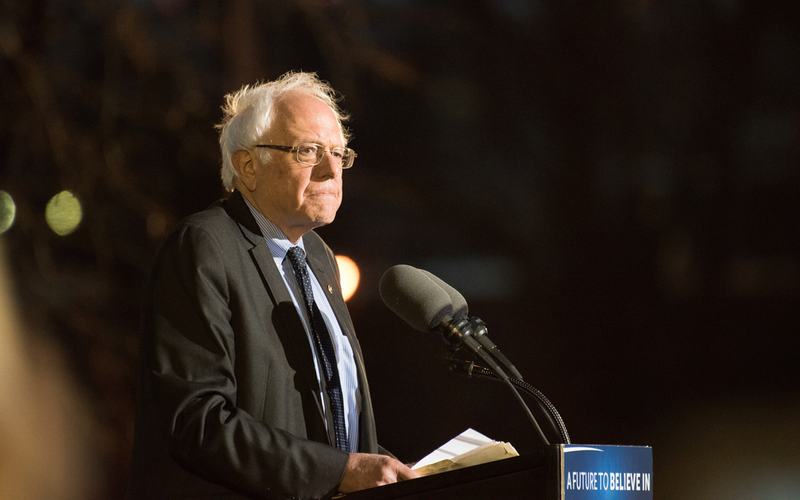
According to the figures, candidates endorsed by Sen. Bernie Sanders (I-Vt.) outperformed the 2024 Democratic vote share in their respective areas by approximately five to six percentage points on average. Candidates who did not receive Sanders’ endorsement performed considerably better, exceeding the previous Democratic vote share by roughly 14 percentage points or more.
Senate candidate margins relative to Kamala Harris’s 2024 margins in competitive races (plus Massachusetts) illustrates the gap. Sanders-endorsed candidates included Troy Jackson (Maine), Peggy Flanagan (Minnesota), Ed Markey (Massachusetts), Abdul El-Sayed (Michigan), and Angie Nixon (Florida). Their relative gains clustered in the single digits, generally between roughly +5 and +10 points.
Non-endorsed Democrats posted substantially larger relative margins. Chris Pappas (New Hampshire), Dan Osborn (Nebraska), Sherrod Brown (Ohio), Mary Peltola (Alaska), Josh Turek (Iowa), Jon Ossoff (Georgia), Adam Hamilton (Kansas), Annie Andrews (South Carolina), Roy Cooper (North Carolina), James Talarico (Texas), and Scott Colom (Mississippi) ranged from the low teens to more than +30 points above Harris’s 2024 performance.
The difference raises questions about whether the election results reflected growing support for the Democratic Party’s most progressive policies or a broader backlash against President Donald Trump and Republicans. While Sanders and other progressive leaders have argued that Democrats need to embrace a more populist economic message, the performance gap suggests that candidates outside Sanders’ political orbit also benefited substantially from the Democratic wave, and often by a wider margin.
The comparison does not establish why individual voters supported particular candidates, and differences in turnout, local political conditions and candidate quality can affect comparisons with the 2024 presidential election. Nevertheless, the figures complicate claims that the Democratic victories amounted to a mandate for the Democratic Socialists of America or the broader progressive movement associated with Sanders’ endorsements.
The results also leave Democratic leaders facing a debate over the party’s direction. Progressives have pointed to the victories as evidence that Democrats should challenge corporate interests and pursue more aggressive economic policies, while other party figures have emphasized the need to appeal to a wider range of voters.
Ultimately, the election demonstrated a significant shift toward Democrats, but the results alone do not show that voters were embracing the party’s most left-wing candidates or policy positions.

Comments
No comments yet. Be the first to share your thoughts.