
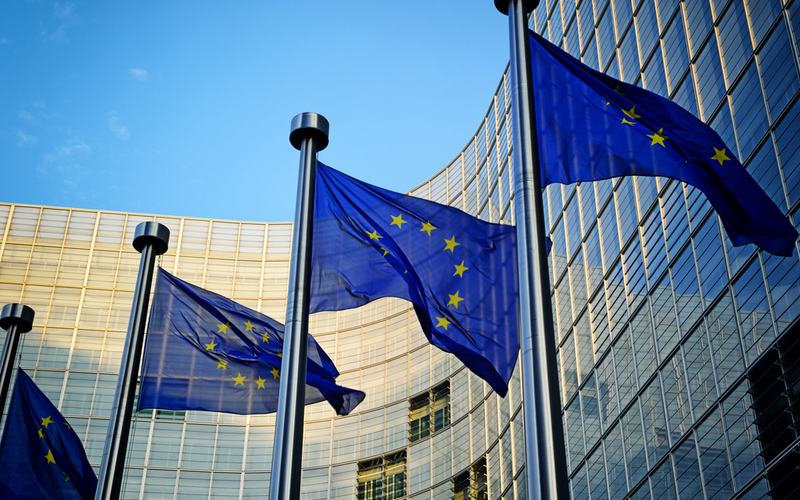
European Union leaders gathered in Brussels on Friday to express strong backing for Ukrainian President Volodymyr Zelenskyy amid heightened tensions with the United States over Russia policy.
At the EU summit, European Council President António Costa told reporters alongside Zelenskyy that Ukraine could count on continued European support. European Commission President Ursula von der Leyen emphasized that the bloc would increase pressure on Russia through a new round of sanctions rather than ease existing measures.
The show of unity followed U.S. President Donald Trump's recent announcement of a diesel export deal with Russia and his criticism of Ukrainian strikes on Russian energy facilities. Trump described those strikes as a disgrace in comments to Newsmax and had earlier suggested Ukraine needed new leadership to reach a settlement.
Zelenskyy used the Brussels meeting to request an additional 70 billion euros in funding for next year to cover defense and resilience needs. He noted that the total cost of the war for Ukraine would reach 155 billion euros in 2027.
Several European heads of government, including those from Germany, France, Poland, and the United Kingdom, issued statements reaffirming solidarity with Zelenskyy in recent days. German Foreign Minister Johann Wadephul and French President Emmanuel Macron both publicly confirmed their countries' support for the current Ukrainian government.
The EU summit focused on preparing Ukraine for winter energy attacks and advancing sanctions. Officials said the 22nd package of measures targeting Russia's war machine remained under development. European leaders also discussed Ukraine's broader budget shortfalls without finalizing new large-scale commitments at the meeting.
Zelenskyy told the gathering that Russia showed no genuine interest in ending the conflict. He described Moscow's position as a parody of peace efforts and stressed the need to prepare for continued fighting.
The Brussels gathering highlighted Europe's determination to maintain its approach even as Washington pursues direct talks and energy arrangements with Moscow. EU statements avoided direct criticism of the United States while underscoring the bloc's independent stance on the conflict.

Comments
No comments yet. Be the first to share your thoughts.