
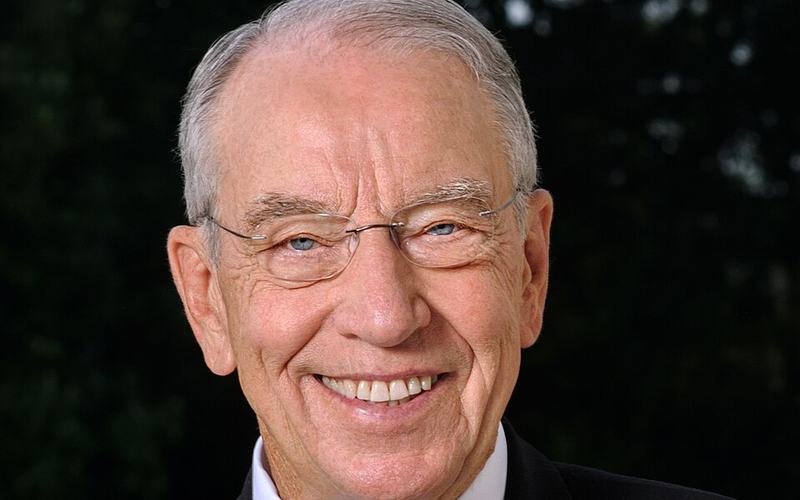
Senate Judiciary Committee Chairman Chuck Grassley, R-Iowa, is working to move bipartisan legislation protecting artificial intelligence whistleblowers through the Senate before lawmakers leave Washington for an extended recess ahead of the November midterm elections.
Grassley is privately contacting senators to determine whether anyone would object to advancing the AI Whistleblower Protection Act by unanimous consent, according to Politico, which cited two people familiar with the discussions. The procedure allows the Senate to approve legislation without a recorded vote if no senator objects, meaning a single objection could prevent the bill from moving forward under that process.
The legislation, introduced by Grassley in May 2025, would prohibit employers from retaliating against current or former AI workers who disclose information involving AI security vulnerabilities, violations of federal law or substantial dangers to public health, public safety or national security. The measure would also provide potential remedies for workers who face retaliation, including reinstatement, back pay and compensation for damages.
The bill initially received bipartisan sponsorship from Grassley and Sens. Chris Coons, D-Del.; Marsha Blackburn, R-Tenn.; Amy Klobuchar, D-Minn.; Josh Hawley, R-Mo.; and Brian Schatz, D-Hawaii. Additional senators, including Elissa Slotkin, D-Mich., Senate Minority Leader Chuck Schumer, D-N.Y., Kirsten Gillibrand, D-N.Y., and Richard Blumenthal, D-Conn., have since joined as supporters, according to information provided about Grassley's current effort.
Grassley has argued that stronger whistleblower protections are necessary as AI technology develops rapidly and Congress attempts to oversee emerging risks. When he introduced the measure, he said transparency could help provide accountability and give people working inside AI companies a protected avenue for reporting serious concerns.
Coons, the bill's Democratic co-lead, has also raised concerns that nondisclosure and severance agreements could discourage AI employees from bringing potential problems to Congress or federal authorities.
The proposed legislation is narrower than a comprehensive federal regulatory framework for artificial intelligence. Instead, it focuses on employment protections for insiders who disclose information about potential AI-related violations, security vulnerabilities and significant threats.
As of Wednesday, the bill remained pending in Congress and had not received a Senate vote. Grassley's effort comes with a limited window before senators leave Washington for the campaign season, potentially putting pressure on lawmakers to reach agreement before the recess begins.

Comments
No comments yet. Be the first to share your thoughts.