
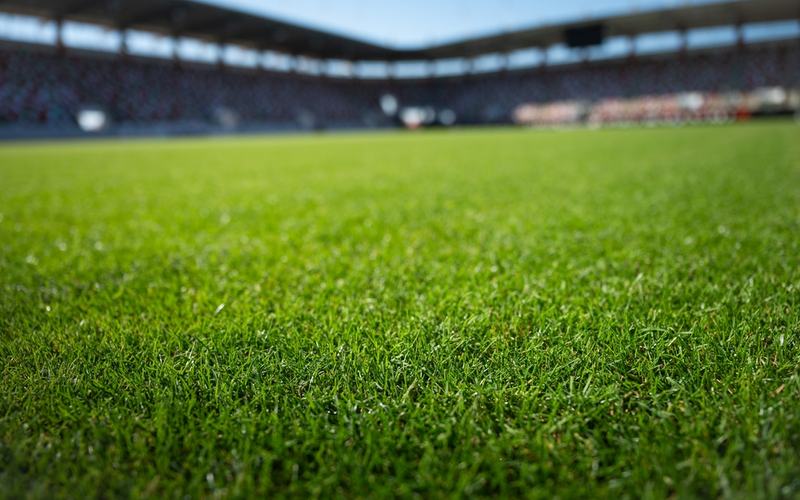
Extreme heat at Nissan Stadium in Nashville turned artificial turf into a hazard during Sunday's Eagles-Titans matchup, with surface temperatures hitting 157 degrees Fahrenheit and causing players' cleats to melt. Philadelphia coach Nick Sirianni even reportedly required an IV for hydration after the 24-20 win due to the heat. The Philadelphia Eagles' Cam Jurgens swapped multiple pairs of cleats as soles softened, and Titans safety Amani Hooker reported midsoles melting off earlier in the season at the same venue. Eagles tackle Jordan Mailata called for league-wide standards to protect players following the game.
Mailata, the team's former NFLPA representative, linked the issue directly to surface choice. He noted the heat radiates upward from turf in a way grass does not, rolling his ankles twice during the game and questioning whether softened cleats contributed. Staff sprayed water on shoes during breaks, turning sideline adjustments into emergency measures.
The incident has reignited arguments regarding artificial turf versus natural grass across the NFL. Players have long cited higher rates of non-contact lower-extremity injuries on synthetic surfaces, with NFLPA data from 2012-2018 showing a 28 percent increase overall, including 32 percent more non-contact knee injuries and 69 percent more foot and ankle injuries compared to a natural grass field. A recent player poll found 92 percent prefer grass fields.
Recent non-contact injuries have added fuel to the demands. Chicago Bears quarterback Caleb Williams left their Sunday game against the Vikings at Soldier Field in visible pain following a scramble the ended with him suffering a non-contact right hamstring injury. Williams had to be carted off the field and did not return, Bears coach Ben Johnson telling reporters on Monday that the quarterback is considered week-to-week but will likely miss some time due to the injury.
Giants wide receiver Malik Nabers sustained a torn ACL on the artificial turf at MetLife Stadium in 2025, an injury more severe than Williams' that ended Nabers' season outright. These cases echo longstanding player concerns that turf contributes to such injuries through greater force return to the body.
The debate over phasing out turf as a field surface gained greater momentum following the 2026 World Cup, when several NFL stadiums temporarily installed natural grass that met FIFA standards to qualify to host the games before again reverting to turf ahead of the current football season. Respected athletes from across the league, including George Kittle and Jonathan Taylor, pressed team owners for permanent changes, arguing the expense to maintain natural grass is justified by player safety and recovery.
Grass still looks great! Let’s use grass instead of turf @NFL !! Please? Thanks guys! pic.twitter.com/1iS8Jf2zPX
— George Kittle (@gkittle46) July 19, 2026
Bills Quarterback Josh Allen also previously expressed a desire for grass at every venue following what he described as burns that disrupted sleep caused from playing on turf.
Despite pushback, the NFL continues to maintain that recent injury data shows no meaningful difference between surfaces in overall rates or severity, pointing to 2021 and 2025 as years with nearly identical statistics. League officials emphasize that football itself, as a physically demanding contact sport, carries injury risk and note ongoing efforts to improve all field types. Half the league's teams still play home games on artificial turf in 2026, including fully outdoor venues like Nissan Stadium and MetLife Stadium.
As persistent challenges with synthetic fields emerge, players have consistently pushed for grass alternatives that reduce body stress and heat retention. Contactless injuries remain a point of focus, with even uninjured players reporting greater soreness and longer recovery due to forces that bounce back into the body on turf rather than dissipating into the ground.
The NFL has not announced any broad changes at this time. General reluctance from stadium owners and increasingly frequent international games make the likelihood of the organization requiring the switch to natural grass in the near future slim.

Comments
No comments yet. Be the first to share your thoughts.