
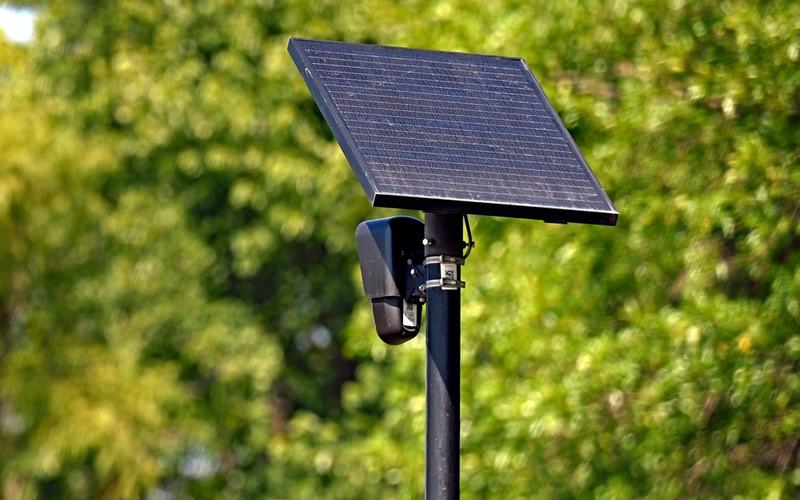
A federal judge in Oklahoma has ruled that law enforcement violated the Fourth Amendment by conducting a warrantless search of data collected by Flock and other automated license plate readers, finding that officers obtained an extensive record of one driver's movements.
The case involved more than 50 records showing the driver's vehicle locations over the course of roughly a month across multiple states. Investigators accessed the information through license plate reader databases as part of a criminal investigation.
The judge determined that the sheer scope of the information collected went beyond the type of limited observation police could traditionally conduct from a public roadway. By assembling the records, investigators were able to reconstruct a detailed picture of where the driver traveled over an extended period.
The ruling focused on whether that kind of prolonged digital tracking constitutes a search under the Fourth Amendment, which protects Americans against unreasonable searches and seizures. The court concluded that police could not access such an extensive history of a person's movements without judicial authorization.
Flock Safety and similar systems use cameras to automatically capture license plates and other vehicle information, allowing law enforcement agencies to search databases for vehicles that may have been connected to crimes. Supporters say the technology helps police identify suspects and solve cases, while privacy advocates have warned that widespread databases can effectively create detailed records of Americans' movements.
The Oklahoma ruling could have broader implications for law enforcement agencies that rely on automated license plate readers, particularly as police departments expand their use of technology capable of storing and searching location data.
The decision also adds to a growing legal debate over how constitutional privacy protections apply to increasingly sophisticated surveillance systems. While motorists generally have limited expectations of privacy when traveling on public roads, the court's ruling indicates that compiling weeks of location records can raise different Fourth Amendment concerns than observing a vehicle at a single location.
The case could ultimately influence how police departments use license plate reader databases and whether warrants or other judicial safeguards are required before investigators can obtain extensive historical movement records.

Comments
No comments yet. Be the first to share your thoughts.