
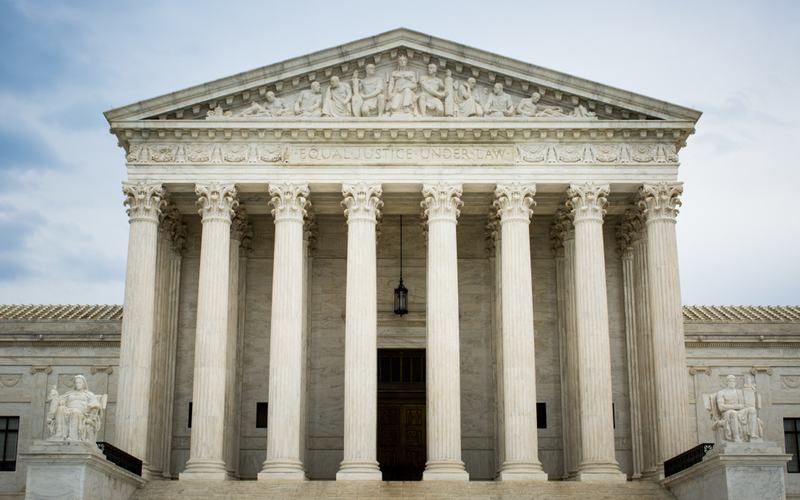
The Supreme Court is set to hear arguments Monday over whether Boulder, Colorado, can pursue a state-level lawsuit against major oil companies for costs the city and county associate with climate-related disasters.
The case centers on a lawsuit filed by the city and county of Boulder, Colorado, against Suncor Energy and ExxonMobil in 2018, before the devastating 2021 Marshall Fire. Boulder officials accuse the companies of misleading the public about the effects of their fossil fuel products and are seeking damages to help cover costs associated with worsening climate-related disasters.
The lawsuit is one of dozens of similar cases brought by state and local governments against oil and gas companies across the country. Together, the cases could expose the industry to billions of dollars in potential liability.
The Marshall Fire later destroyed Somauroo's home and caused an estimated $2 billion in damage, making it the costliest wildfire in Colorado history. Climate change was cited as one factor in the disaster.
The oil companies argue that state lawsuits are not an appropriate way to address a global issue such as climate change. Industry representatives say greenhouse gas emissions come from sources around the world and that individual states should not use their courts to establish policies affecting national energy production.
The Trump administration has also sided with the companies. Federal attorneys told the Supreme Court that the lawsuits effectively seek to regulate greenhouse gas emissions through state courts, arguing that federal law gives the federal government authority over emissions regulation.
The administration pointed to the Clean Air Act, which gives the federal government authority to regulate greenhouse gas emissions. The Trump administration has used that authority while also rolling back several environmental regulations.
The Environmental Protection Agency last month repealed rules limiting greenhouse gas emissions from coal- and natural-gas-fired power plants. That decision could create an additional issue for the federal government's position in the Boulder case.
Boulder officials maintain that their lawsuit is not an attempt to regulate emissions outside Colorado. Instead, they argue that oil companies should compensate local governments for costs they say are connected to climate-related damage occurring within the state.
The Supreme Court's decision could have consequences far beyond Boulder, Colorado. A ruling addressing whether these lawsuits can proceed could affect similar cases filed by other cities and counties seeking compensation from fossil fuel companies.
The case will also proceed with only eight justices participating. Justice Samuel Alito recused himself shortly before arguments after facing calls to step aside because he owns stock in oil companies. His absence raises the possibility of a 4-4 split, which would leave the lower court's ruling in place.
The justices are also considering whether they have jurisdiction to hear the case at its current stage. That procedural question could provide another path for the court to resolve the dispute without reaching the broader arguments over state climate lawsuits.

Comments
No comments yet. Be the first to share your thoughts.