
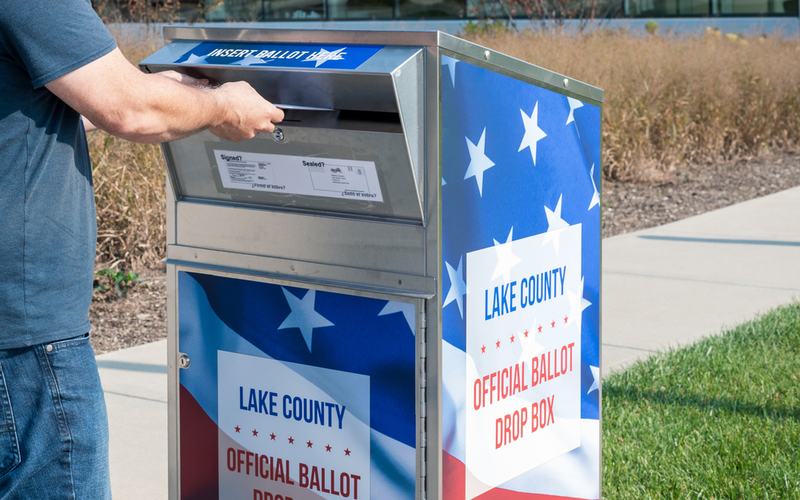
A federal judge on Monday upheld North Carolina's new mail-in ballot procedures, allowing stricter envelope sealing and signature verification rules to remain in effect for the midterm elections.
U.S. District Judge Thomas Schroeder, a George W. Bush appointee, denied a preliminary injunction sought by several advocacy groups in a 72-page ruling. The decision came after the groups challenged guidance issued by the Republican-controlled State Board of Elections on September 4.
The rules require voters to seal their completed ballot in an inner envelope before placing it in the outer return envelope. They also direct election officials to verify that the signature on the ballot matches the name on the voter's application. Ballots failing these checks are rejected, though voters receive notice and an opportunity to cure the issue by providing proper documentation before the deadline.
Schroeder cited the Supreme Court's Purcell principle, which discourages courts from altering election rules close to or during voting. He noted that absentee voting had already begun and that plaintiffs delayed filing their suit for 18 days after the board's vote. The judge found the provisions clear on ballot materials and not unduly burdensome.
The State Board approved the changes in a 3-2 party-line vote on the same day counties began mailing absentee ballots. Republican National Committee and North Carolina GOP officials later joined the defense of the rules, arguing they protect election integrity.
Critics, including Democratic Gov. Josh Stein, warned of higher rejection rates. Data from some counties showed rejection rates around 2 to 3 percent in recent weeks, often tied to unsealed inner envelopes, with some areas reaching higher figures. Statewide estimates projected several thousand ballots potentially affected if trends continue, roughly double the 2022 rate.
Advocacy groups such as the North Carolina Alliance for Retired Americans and others claimed the rules would disproportionately impact elderly, disabled, and minority voters. They argued the requirements violate federal law and impose unnecessary hurdles.

Comments
No comments yet. Be the first to share your thoughts.