
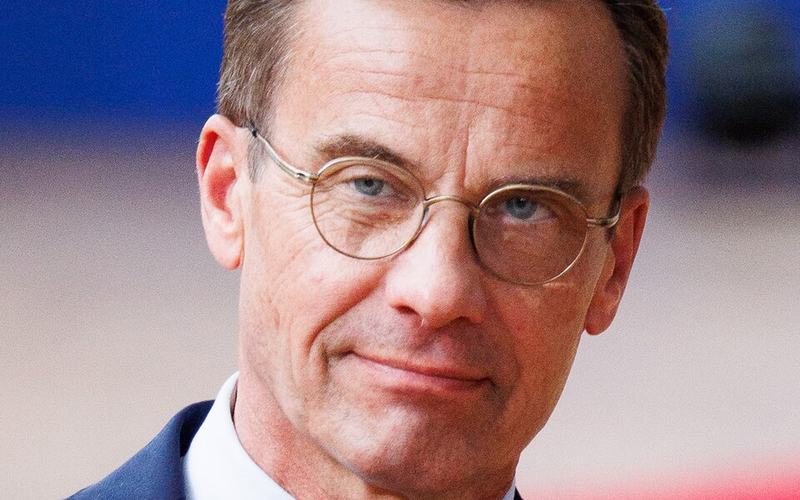
Swedish Prime Minister Ulf Kristersson resigned on Thursday after his right-leaning coalition lost a narrow parliamentary majority in Sunday's general election.
The Swedish Election Authority completed its preliminary count, giving the center-left opposition bloc 176 seats in the 349-seat Riksdag compared to 173 for Kristersson's Tidö government and its supporting parties. The two sides were separated by roughly 50,400 votes in a country of about 10.6 million people.
Kristersson, leader of the Moderate Party, posted his resignation letter on X shortly after the results became clear. He requested immediate dismissal to allow the parliamentary speaker to begin the process of forming a new government.
The left-leaning bloc, led by former Prime Minister Magdalena Andersson of the Social Democrats, won the most seats. Andersson addressed supporters in a victory speech, stating that voters had chosen a new direction focused on unity.
Kristersson's government had relied on support from the anti-immigration Sweden Democrats. That party saw its support drop, losing 11 seats and falling to third place overall.
Negotiations for a new government are expected to take weeks. The earliest a new prime minister could be approved is September 29. Andersson must secure agreements among parties with differing priorities on issues such as taxes and immigration.
The right-leaning bloc had campaigned on continuing its policy direction, including tougher measures on crime and migration. The close result highlights the divided political landscape in Sweden.

Comments
No comments yet. Be the first to share your thoughts.