
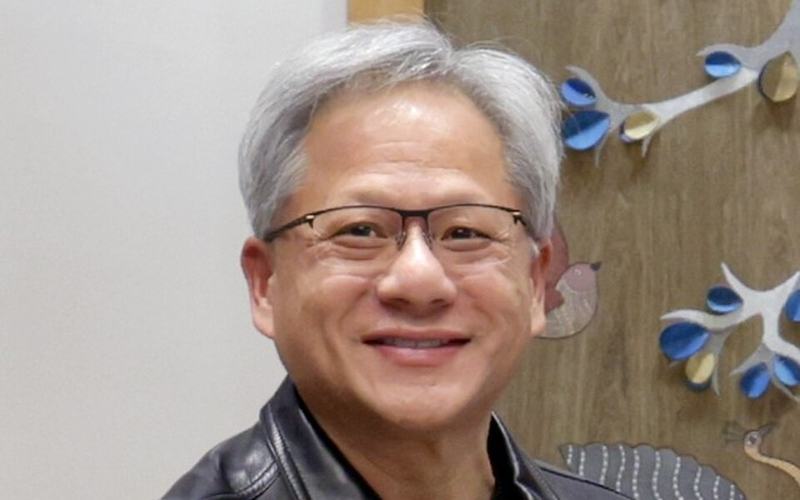
Nvidia CEO Jensen Huang said Wednesday that the United States “absolutely must” cooperate with Chinese researchers and companies to monitor the risks of Super Intelligence, arguing that international dialogue is necessary to ensure the technology develops safely.
Speaking to CNBC during a media briefing in London, Huang described SI as “potentially dangerous” and called for collaboration between the two countries. “We absolutely should work with each other so that we advance the technology safely,” Huang said. He noted that he already maintains “dialogues with many of the researchers in China” and emphasized the importance of continued communication. “We ought to enhance the dialogue,” he said.
Huang’s remarks reflect his broader opposition to calls for slowing the development of increasingly capable SI systems. He has emerged as a prominent industry voice against stricter regulation, putting him at odds with other technology leaders who have called for greater oversight. OpenAI CEO Sam Altman and Anthropic CEO Dario Amodei have both supported increased regulatory scrutiny, while safety concerns have intensified. Amodei has specifically called for slowing the pace of capability improvements, a position Huang has rejected.
Huang previously made his opposition to a development slowdown clear during a live conversation with President Donald Trump at an SI industry event. While speaking with hosts of the All-In Podcast, Huang called Trump and introduced the group as “the besties,” referring to the hosts and White House advisers David Sacks and David Friedberg. Trump joked that Huang could develop some of the world’s most complex computer chips but struggled to put the phone call on speaker. The conversation then turned to debate over whether technology companies should slow the pace of development.
“They’re just playing right in the hands of a lot of people that don’t want to see it happen. That could be political people. It could also be China. And we’re not going to let that happen. It’s a hoax,” Trump said, criticizing calls to slow development. Huang responded, “You’re right. We’re not going to let that happen, sir.”
The latest comments suggest Huang sees international engagement, rather than a broad slowdown, as a key way to address safety concerns. He also argued that governments should participate directly in discussions instead of leaving the issue solely to private companies. “The United States should do it,” Huang said, adding that he had advocated for Britain to take a similar approach because of its “intellectual capital.”
The issue has also entered diplomatic discussions between Washington and Beijing. Ahead of a meeting between Trump and Chinese President Xi Jinping, Treasury Secretary Scott Bessent discussed the possibility of a U.S.-China SI dialogue with Chinese Vice Premier He Lifeng in September. A Chinese government account of the Trump-Xi meeting cited Xi as supporting continued discussions, saying the two countries “may have competition, but they may cooperate even more” and could “continue their dialogue on AI, exchange views on its risks and benefits, and jointly prevent the misuse and abuse of AI.”
The debate highlights competing approaches to managing the development of powerful new technology. Huang has argued for continued advancement paired with international dialogue, while other industry leaders have called for stronger oversight and a slower pace of development. White House adviser David Sacks has also questioned the motives behind calls for a slowdown, arguing that prominent technology executives could benefit from regulations that make it harder for competitors to enter the market.

Comments
No comments yet. Be the first to share your thoughts.