
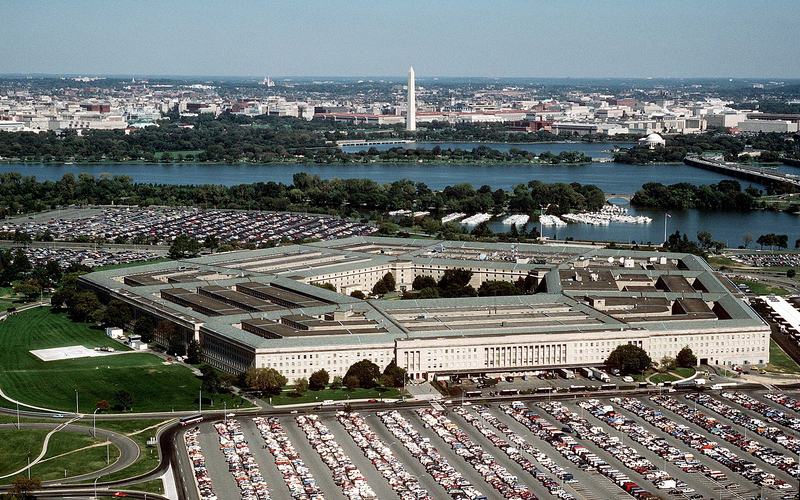
The Pentagon denied Thursday that it is expanding undercover intelligence operations against China and other foreign adversaries or developing new capabilities to sabotage foreign technology programs, following separate reports from The Washington Post and Politico.
Deputy Pentagon Press Secretary Jacob Bliss rejected both accounts, saying the claims were based on information that was “simply not true.” He accused the sources behind the reports of being either misinformed or deliberately misleading reporters.
The Washington Post reported that military officials were planning a network of deep-cover operatives, known as nonofficial cover officers, who would pose as businesspeople or other private-sector figures without an obvious connection to the U.S. government. The initiative reportedly remains in the planning stages and is not yet operational.
The report identified Tom Rakusan, a 39-year CIA veteran and senior adviser to Deputy Secretary of War Steve Feinberg, as overseeing the planning. The program's organizational structure and legal framework have yet to be resolved.
Separately, Politico reported that the Pentagon established a Technology Support Office in April to develop methods for disrupting foreign technology programs. According to the report, Feinberg and Secretary of War Pete Hegseth created the office largely by reorganizing two classified intelligence programs that had conducted similar work on a smaller scale since 2023.
The Technology Support Office reportedly cannot conduct clandestine operations directly. Instead, its personnel work with military and intelligence leaders to develop capabilities that could include hacking tools, supply-chain disruptions, and deception involving faulty components in foreign weapons systems.
A former intelligence official familiar with the office said its objective is to delay or prevent adversaries from developing technologies that could threaten U.S. forces during a major conflict. Former officials also cited the growing importance of countering advanced commercial technologies, including drones and artificial intelligence.
The reports described concerns within the national security establishment about overlapping responsibilities, funding, and congressional oversight. Some former CIA officials questioned whether the proposed spying initiative would encroach on the agency's role, while U.S. Special Operations Command and U.S. Cyber Command reportedly raised objections to the technology office over budget concerns.
The level of congressional notification also appears to differ between the initiatives. The Post reported that congressional committees did not appear to have been briefed on the proposed undercover program, while Politico said some congressional officials had received limited briefings about the technology office.
Bliss said the Pentagon values its longstanding relationship with Congress and would continue providing committees with information necessary for oversight.
The reports outlined separate efforts at different stages of development, but the Pentagon's denials leave the accounts of both the proposed deep-cover program and the technology office's activities.

Comments
No comments yet. Be the first to share your thoughts.