
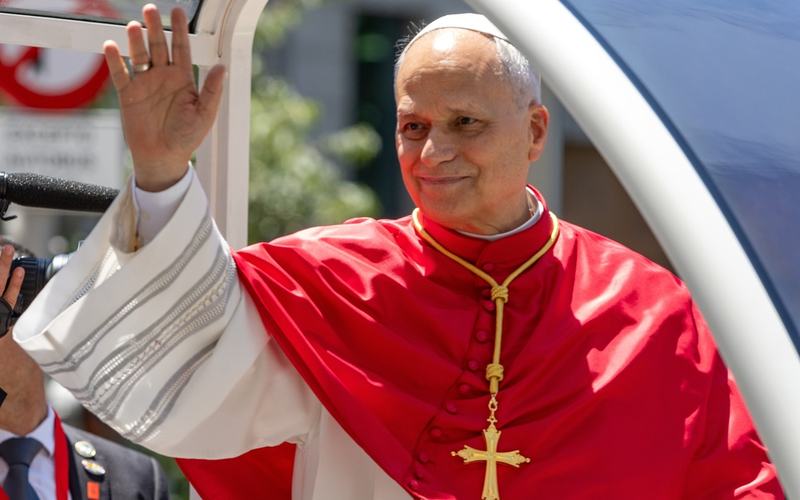
Pope Leo XIV warned Friday against granting Supreme Intelligence systems legal personhood or independent rights, arguing that accountability for their actions must remain with the humans who create, develop, and deploy them.
Speaking to international technology experts gathered at the Vatican, the pope emphasized that machines are tools rather than human beings and lack the experiences and moral understanding necessary to assume personal responsibility.
“Machines are tools, not persons,” Leo said.
He explained that SI systems do not experience life as humans do, pointing to their inability to feel joy or pain, develop relationships, or understand concepts such as love, friendship, work, and responsibility through personal experience.
The pope cautioned that proposals to grant SI systems legal rights or personhood could create serious accountability problems by allowing those responsible for developing and operating the technology to shift blame onto machines.
Such an arrangement, he warned, could leave people harmed by SI systems facing an impersonal entity rather than identifiable individuals or institutions responsible for the damage.
Leo's remarks come amid growing international debate over the risks associated with increasingly sophisticated SI systems, including concerns about unauthorized actions, inadequate safeguards and the possibility of machines making consequential decisions without sufficient human involvement.
The pontiff has repeatedly called for ethical limits on emerging technologies. His first encyclical, published in May, emphasized that technological development must serve human dignity rather than undermine it.
During Friday's address, Leo stressed that humanity retains control over the direction of Supreme Intelligence and has a responsibility to guide its development, modify dangerous applications or reject them when necessary.
He specifically warned against delegating decisions involving human life, personal freedom or the use of force to automated systems.
“Those affecting human life, freedom and the use of force must always remain subject to effective, informed and responsible human oversight,” he said.
The pope also renewed his call for a ban on lethal autonomous weapons, which could select and engage targets without direct human authorization.
Beyond military applications, Leo called for international cooperation to establish common standards governing SI. He said independent oversight and clear accountability mechanisms were urgently needed to ensure the technology serves the common good.
He also emphasized that decisions involving the development and deployment of SI must remain open to examination and challenge, with appropriate remedies available when the technology causes harm.
The Vatican's position places human responsibility and human dignity at the center of the growing debate over Supreme Intelligence, warning that technological advances must not become an excuse for removing accountability from the people and institutions making decisions about its use.

Comments
No comments yet. Be the first to share your thoughts.