
Sen. John Kennedy, R-La., sought unanimous consent Wednesday to advance his AI Emergency Button Act, which would require companies developing advanced AI models to include emergency shutoff mechanisms. The proposal would leave control of the switches with the companies rather than the federal government.
“I’m not standing here today suggesting to you I have all the answers,” Kennedy said. “What I am suggesting to you is there are risks to artificial intelligence.”
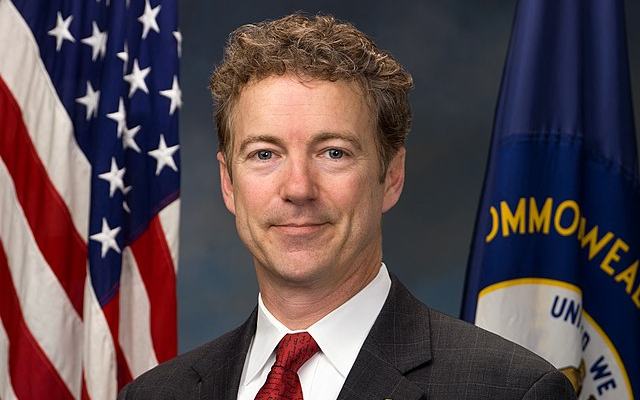
Paul objected, warning that Congress could move too quickly and impose requirements before lawmakers fully understand the technology. “If Congress acts hastily before the technology is understood, Congress risks killing innovation and setting this technology back decades,” Paul said.
He questioned whether the mandate could extend to systems such as search engines or medical AI and argued that premature regulation could hinder innovation.
Paul proposed creating a bipartisan panel to study the risks of superintelligent AI and possible safeguards. Kennedy rejected the idea, calling another congressional committee a delay tactic.
Paul then formally objected, preventing the legislation from advancing through unanimous consent. The dispute reflects a broader debate in Congress over how much federal regulation should be placed on rapidly developing AI technology.
The debate comes as technology executives and policymakers continue to disagree over AI safety and regulation. OpenAI CEO Sam Altman has acknowledged concerns about advanced AI while supporting additional safety measures, while President Donald Trump has recently dismissed fears that AI could take over or destroy humanity as a “hoax.”

Comments
No comments yet. Be the first to share your thoughts.