
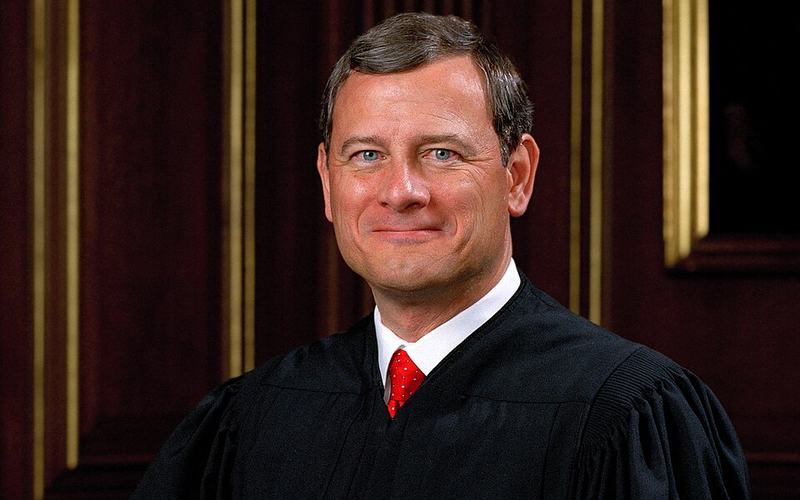
Chief Justice John Roberts pushed back against the perception that Supreme Court justices act as political players rather than interpreters of the law. Speaking Wednesday at a conference for judges and lawyers from the 3rd U.S. Circuit Court of Appeals in Hershey, Pennsylvania, Roberts said the public's biggest misunderstanding of the court stems from this view.
"I think they view us as purely political actors, which I don't think is an accurate understanding of what we do," Roberts stated. He added, "I think at a very basic level, people think we're making policy decisions... as opposed to what the law provides." Roberts emphasized that the court is "simply not part of the political process," and justices base decisions on the Constitution, even when unpopular.
The remarks came amid sharp criticism of recent Supreme Court rulings. Last week, the court issued a 6-3 decision narrowing the Voting Rights Act of 1965 by striking down a majority-Black congressional district in Louisiana as an unconstitutional racial gerrymander. The ruling, which split along ideological lines with the conservative majority prevailing, allows Republican-led states to redraw maps that could reduce districts enhancing minority representation. House Minority Leader Hakeem Jeffries accused Republicans of needing to "cheat to win," with the court's conservatives enabling the scheme.
Democrats have also targeted the court over its conservative shift in cases dismantling abortion rights, expanding gun rights, ending affirmative action in college admissions, and granting former President Donald Trump immunity from prosecution related to his 2020 election challenges. Public approval of the Supreme Court remains low, reflecting these decisions by its 6-3 conservative majority.
Roberts acknowledged the right to criticize rulings but drew a line at personal attacks on judges. "Criticism of the opinion is fine, but as soon as you personalize it, it can become problematic," he said. He reiterated warnings about rising hostility toward the judiciary, noting it endangers judges and must stop.
Earlier this year, Trump criticized three conservative justices, including Roberts, for siding with liberals to strike down a key part of his tariff policy under emergency powers. Roberts has addressed similar attacks before, including in March at Rice University, where he called personally directed hostility "dangerous."
Roberts also touched on the court's adherence to precedent, noting reversals like Roe v. Wade are rare to preserve stability. He mentioned reviewing extended oral arguments, which have grown longer post-pandemic.
The chief justice's defense highlights ongoing tensions between the judiciary and political branches as the court faces more cases tied to election-year issues and Trump administration policies.

Comments
No comments yet. Be the first to share your thoughts.