
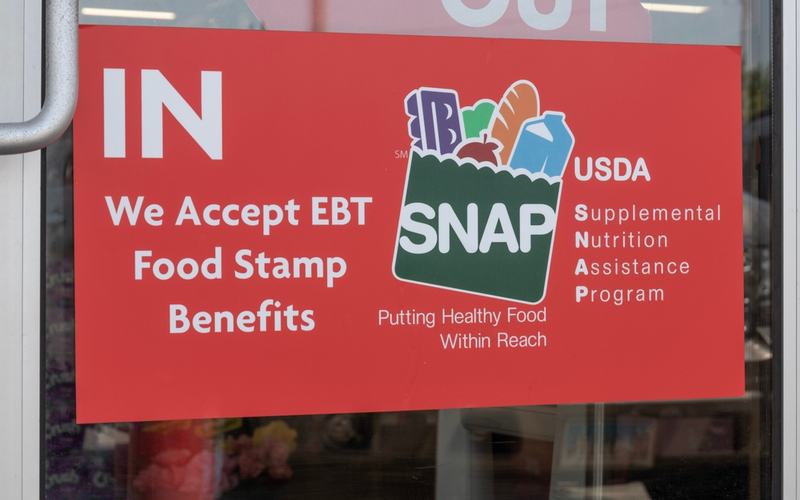
Federal authorities have charged members of Romanian organized crime networks with defrauding the Supplemental Nutrition Assistance Program, or SNAP, by exploiting the outdated magnetic-stripe technology on Electronic Benefit Transfer cards. These schemes have drained hundreds of millions of dollars from the federal food benefits system nationwide.
In one recent case, a federal grand jury in Cleveland indicted five Romanian nationals on April 20 for their alleged involvement in a conspiracy that stole or attempted to steal nearly $961,000 in SNAP benefits from accounts in Ohio and California. The defendants, all Romanian citizens, include Ionut Ilie, Constantin Eugen Ion, Valentin Velicu, Dragos Georghie Vasile, and Marian Alexandru Semplician. They face charges including conspiracy to commit wire fraud and mail fraud, access device fraud, identity theft, and sale or receipt of stolen government monies.
Prosecutors allege the men installed point-of-sale skimming devices on card readers at retailers such as 7-Eleven stores and gas stations in Toledo, Maple Heights, and Cleveland, Ohio, as well as locations in California. The devices captured card data and PINs from EBT cards, which the group then used to drain accounts or clone onto blank cards for resale. One defendant, Ilie, also faces an additional charge of illegal reentry after prior deportations.
The indictment highlights vulnerabilities in the SNAP system, where many EBT cards still rely on magnetic stripes rather than more secure chip technology. Investigators from the FBI, USDA Office of Inspector General, Homeland Security Investigations, and U.S. Postal Inspection Service collaborated on the case. Four of the men were arrested in coordinated operations across Ohio and California, while one remains at large.
This Ohio case fits into a pattern of Romanian crime networks targeting federal benefits programs through skimming operations. Similar schemes have led to additional indictments and guilty pleas in other districts this year, underscoring ongoing challenges with program integrity and enforcement against foreign criminal organizations.

Comments
No comments yet. Be the first to share your thoughts.