
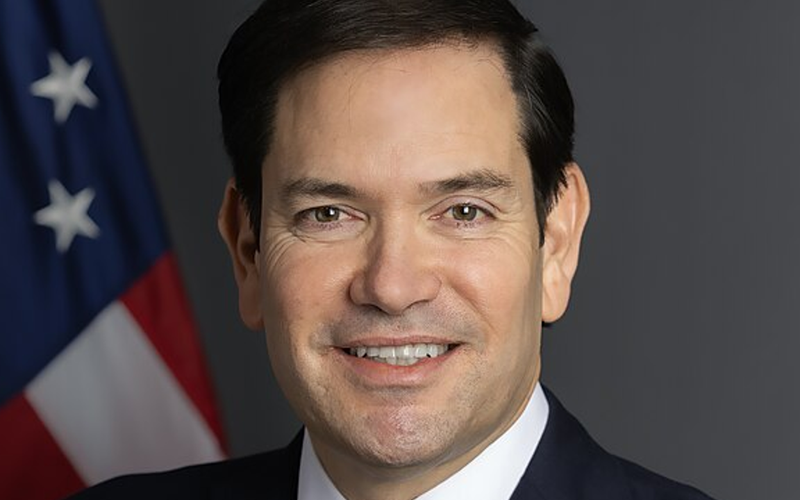
Secretary of State Marco Rubio met with Venezuelan Foreign Minister Oliver Blanco at the State Department in Washington on Monday, November 2, as the Trump administration increased pressure on Venezuela’s interim government to move forward with political and electoral reforms ahead of a potential 2027 election.
The meeting came approximately two weeks after Venezuelan government representatives and opposition figures agreed on a framework for reforming the country's electoral system. The proposed changes are intended to establish conditions for free, fair and credible elections after years of political turmoil under the government of Nicolás Maduro. According to the State Department, Rubio and Blanco discussed progress in Venezuelan-led reconciliation talks and institutional reforms needed to prepare for a future vote. Rubio also called for the release of Venezuela's remaining political prisoners.
Blanco was recently appointed foreign minister by interim President Delcy Rodríguez, making Monday's meeting one of the highest-level diplomatic encounters between the Trump administration and her government. It also marked the first meeting between the two countries' top diplomats since Washington and Caracas restored diplomatic relations following Maduro's capture in January.
The Trump administration has been working to establish a political roadmap that would overhaul key Venezuelan institutions, including the Supreme Tribunal of Justice and the National Electoral Council. The proposed process is intended to create a more credible electoral system and ultimately lead to a presidential election in 2027. Under the framework described by U.S. officials, Rodríguez would declare the presidency permanently vacant, triggering a constitutional process that could lead to an election within six months.
Rubio has made clear that Washington intends to closely monitor whether Venezuela's interim authorities and opposition groups follow through on the agreement. His stated objective is to establish an electoral system that all political parties can trust rather than simply secure a date for an election without addressing the institutions responsible for overseeing it.
Rodríguez has also been engaging directly with the Trump administration. She met with President Donald Trump on the sidelines of the United Nations General Assembly in September, while Energy Secretary Chris Wright traveled to Caracas in August for discussions with Venezuelan officials that resulted in a major oil agreement.
Meanwhile, opposition leader María Corina Machado returned to Venezuela in late October after spending nearly a year outside the country. Machado has endorsed the U.S.-backed push for elections but has called for institutional changes to move forward more quickly and simultaneously. Her return adds another significant political figure to an already complicated transition process, particularly as the opposition seeks to ensure that any eventual election reflects the results of a genuinely competitive vote.
The Trump administration now faces the challenge of keeping pressure on Rodríguez's government while advancing negotiations with opposition representatives. Although the agreement provides a potential path toward elections in 2027, major institutional reforms and the release of political prisoners remain important issues as Washington seeks to turn the proposed transition into a functioning electoral process.

Comments
No comments yet. Be the first to share your thoughts.