
A string of technology failures affecting critical American services has raised questions about the reliability of the nation's digital infrastructure, even as federal officials insist the incidents are unrelated and have found no evidence of a coordinated cyberattack.
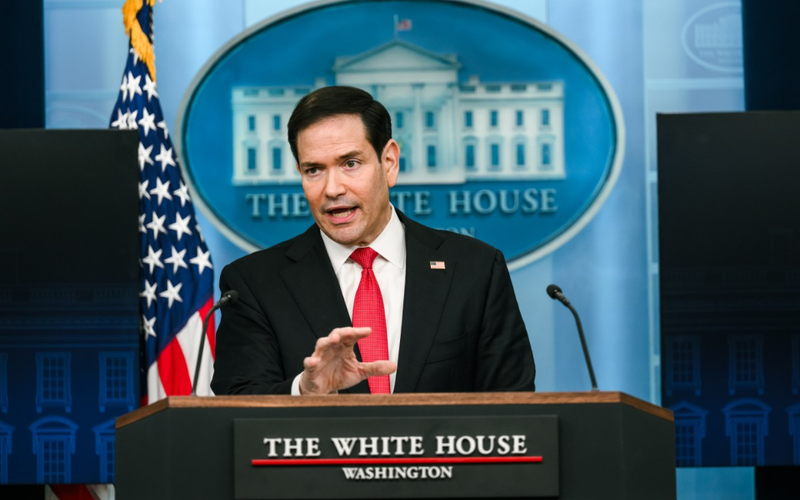
Secretary of State Marco Rubio addressed the concerns Wednesday while speaking with reporters in Manila, Philippines. He said investigators had found no indication that hackers, foreign governments or other malicious actors were behind the disruptions.
"We have zero evidence whatsoever, we have no indication, no evidence, and no reason to believe at all that any of these incidents are related to each other," Rubio said. "We are not under systemic attack."
The outages have affected several major institutions over the course of days. Microsoft services, including Outlook and Teams, experienced widespread problems last Thursday, disrupting business and government operations. The following day, the Federal Aviation Administration ordered a nationwide ground stop that delayed air travel for hours. Officials attributed the disruption to a router upgrade.
Problems continued Monday, when customers at JPMorgan Chase and other banks reported difficulty accessing accounts and completing transactions, including payments through Zelle. United Airlines also experienced technical issues that delayed departing flights.
On Tuesday, an internal National Security Agency network used for classified communications went offline. The NSA attributed the disruption to routine maintenance, while JPMorgan said a software bug caused its problems and denied that the bank had suffered a cyberattack.
The rapid succession of failures has fueled speculation among political commentators and members of the public about whether the incidents could be connected. However, Director of National Intelligence Jay Clayton and Democratic Sen. Mark Warner, vice chairman of the Senate Intelligence Committee, have also said officials have seen no evidence of a malicious attack.
Warner cautioned that advances in artificial intelligence are accelerating the discovery of technological vulnerabilities and increasing pressure on companies to update their systems.
The uncertainty has also affected consumer behavior, with some Americans purchasing emergency supplies in anticipation of additional disruptions. Costco has seen increased demand for generators, bottled water, batteries and nonperishable food.
Costco Chief Financial Officer Gary Millerchip said purchases of rice, canned goods, water, paper products, generators and batteries began increasing in late October. He attributed the trend in part to concerns circulating on social media.
The demand has also attracted attention from Wall Street. Mizuho Securities analysts raised their Costco share-price target from $1,100 to $1,150, partly citing increased sales of emergency preparedness products. According to Bloomberg, 21 of the 26 high-priced generators listed on Costco's website were sold out as of Sunday, including a Kohler model priced at approximately $7,000.
Other retailers, including Walmart, Sam's Club, Home Depot and Lowe's, could also benefit as consumers purchase supplies for potential emergencies.
Rubio acknowledged that cybersecurity threats remain a serious concern but maintained that investigators have found no connection between the recent incidents. For now, federal officials have attributed the individual disruptions to separate technical problems, while the sequence of failures has renewed attention to the vulnerabilities of America's increasingly interconnected infrastructure.

Comments
No comments yet. Be the first to share your thoughts.