
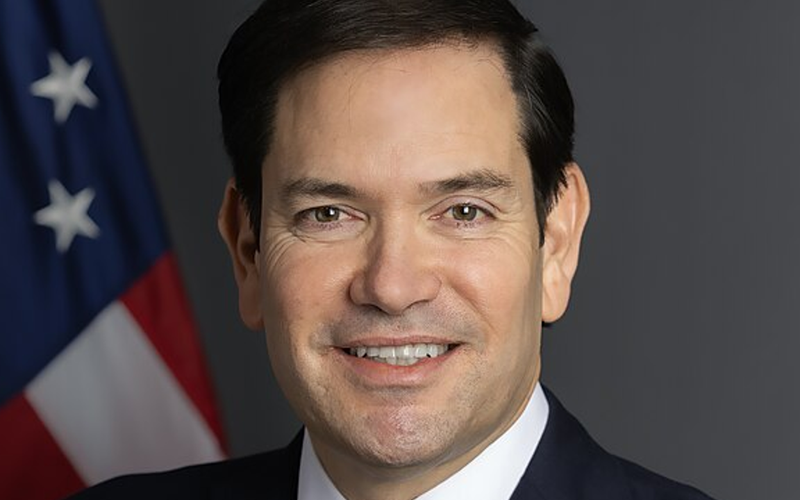
Secretary of State Marco Rubio is reportedly considering leaving the Trump administration to prepare for a potential campaign for the 2028 Republican presidential nomination, according to a report published Thursday by The Independent. Rubio, who also serves as White House national security adviser, could step away from both positions as Republicans confront the political fallout from Tuesday’s midterm elections, which handed Democrats control of the House and Senate.
The report, citing Republican insiders in Washington and senior British government officials, said speculation about Rubio’s departure had begun even before the election results. Sources reportedly became more convinced that he would leave following the Republican Party’s losses, which included defeats in traditionally Republican strongholds such as Texas and Kansas.
Rubio is viewed as a potential challenger to Vice President JD Vance for the Republican presidential nomination in 2028. One ally of the secretary of state argued that leaving the administration would allow Rubio to separate himself from the president’s policies and establish an independent political identity ahead of the next presidential campaign.
“It makes complete sense for him to step down and leave the administration,” the ally told The Independent.
The source also claimed Rubio currently holds an advantage over Vance in the potential nomination contest, saying, “Rubio is the leading candidate at the moment to be the [Republican] nominee. He's definitely ahead of Vance.” The ally argued that Rubio could not effectively pursue the presidency while serving as the nation’s top diplomat and remaining closely associated with the administration.
The Iran war and rising energy costs could become significant issues in any potential Republican primary. One Washington insider reportedly argued that Rubio would need to distance himself from the conflict and place responsibility for the administration’s handling of it on Trump. Vance has already publicly blamed the war for contributing to Republican losses, while Rubio has maintained a comparatively low profile on the political debate surrounding the conflict.
However, the possibility of Rubio resigning remains disputed, and neither the secretary nor the White House has confirmed any plans for his departure. The State Department forcefully rejected the report, calling it “completely baseless fake news from made-up anonymous 'sources.'”
White House spokesman Davis Ingle also dismissed the speculation, saying Trump had assembled a united team committed to advancing his America First agenda. The administration's response directly contradicted the anonymous sources cited in the report.
The Independent also acknowledged that not everyone inside the administration expects Rubio to leave. One administration insider said there had been no indication that the secretary intended to resign, while another source suggested he could remain in his position to provide stability following the Republican election losses. A longtime political operative familiar with Rubio’s political background also suggested that developments involving Cuba could influence the timing of any potential departure.
Rubio, a former Republican senator from Florida, unsuccessfully sought the party’s presidential nomination in 2016, eventually suspending his campaign after losing the Florida primary to Trump. The two men were bitter rivals during that contest, with Trump repeatedly attacking Rubio before the Florida senator eventually became one of his closest administration officials.
In September, Rubio sought to downplay speculation about another presidential campaign, telling reporters that he had “no plans at this time” to run and was entirely focused on his responsibilities in the administration. He also indicated that he would defer to Vance if the vice president decided to pursue the Republican nomination.
A New York Times/Siena poll conducted October 12-19 found Vance leading Rubio 33% to 23% among Republican primary voters, with 26% undecided. The survey offered an early indication of the potential competition between the two administration figures, although the 2028 campaign remains more than a year away from the first presidential nominating contests.
Rubio’s foreign policy experience, particularly his work on Latin America, could become a central part of his political profile if he ultimately seeks the presidency. For now, however, he has not announced plans to resign or enter the 2028 race, and the administration continues to publicly reject reports of an impending departure.

Comments
No comments yet. Be the first to share your thoughts.