
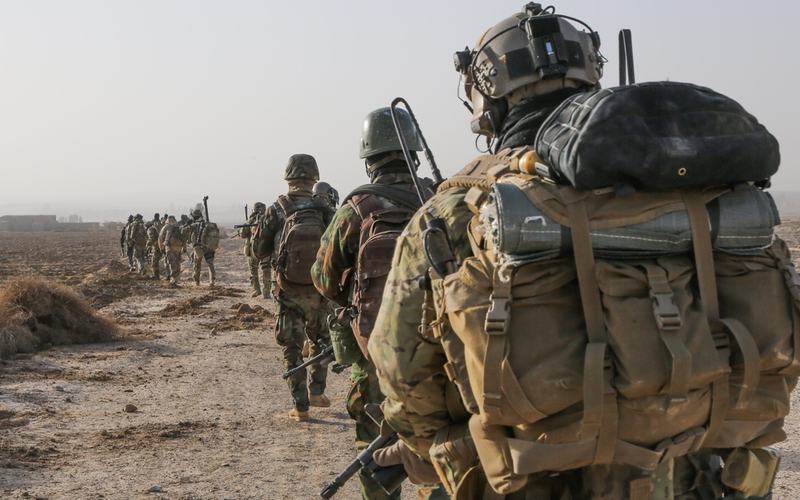
Nearly one-third of U.S. Army soldiers aged 30 and older recorded low testosterone levels in a medical study, raising questions about the prevalence of the condition among military personnel. The findings come as the Pentagon prepares to require annual testosterone testing for male troops in that age group.
Testosterone is a hormone that helps maintain muscle mass, bone density, red blood cell production, and sexual function. Low levels can be associated with symptoms including fatigue, reduced strength, decreased sex drive, and mood changes. However, testosterone levels naturally vary between individuals and can be influenced by factors such as age, sleep, weight, stress, and underlying medical conditions.
The planned testing requirement would bring greater attention to a health issue that could affect soldiers’ physical readiness and overall well-being. Military personnel face demanding physical requirements, irregular schedules, and operational stress, all of which can complicate long-term health maintenance.
The study’s findings do not necessarily mean that one-third of older soldiers have a confirmed medical condition requiring treatment. A diagnosis of testosterone deficiency generally requires symptoms consistent with the condition and appropriately timed blood tests confirming persistently low levels. The study’s specific testing methods and definition of low testosterone are therefore important when interpreting its results.
If implemented, annual screening could help identify service members who may benefit from further medical evaluation. At the same time, the policy could prompt debate over the costs of expanded testing, the appropriate use of hormone treatments, and how the military should balance individual health care with its responsibility to maintain a fit and ready fighting force.

Comments
No comments yet. Be the first to share your thoughts.