
Several states moved forward this week with policies addressing artificial intelligence and data-center development, reflecting growing efforts to balance rapid technological growth with concerns over energy, water use, infrastructure and public safety.
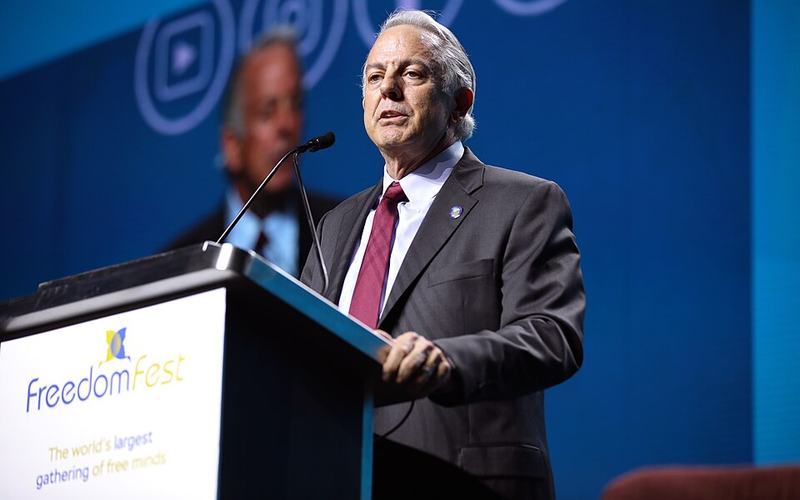
Nevada Republican Gov. Joe Lombardo signed an executive order Friday establishing new standards for data centers seeking state tax abatements. The requirements include protections for water resources, the electrical grid and local communities, while requiring developers to cover costs associated with their projects rather than passing them to ratepayers.
Nebraska Republican Gov. Jim Pillen has taken a similar approach, arguing that data centers represent an important opportunity for economic growth and national security while requiring companies to cover the infrastructure and energy costs associated with their operations. Nebraska has also enacted rules requiring certain large industrial users to fund their own power infrastructure.
Florida has also pursued additional oversight of artificial intelligence. Attorney General James Uthmeier has launched a criminal investigation into OpenAI and ChatGPT following a review of conversations involving the suspect in the 2025 Florida State University shooting. His office has also filed a lawsuit against OpenAI alleging deceptive practices and harm to Floridians.
California Gov. Gavin Newsom issued an executive order Friday accelerating independent oversight of frontier AI companies. The order directs officials to develop recommendations involving independent safety verification, audits and the potential creation of an emergency “kill switch” for advanced AI models.
The state actions come as the Trump administration pursues a national AI policy focused on maintaining American technological leadership. Trump's December 2025 executive order called for a minimally burdensome national framework and directed the Justice Department to challenge state AI laws that conflict with federal policy. At the same time, the order specifically preserved room for state laws addressing areas such as child safety, AI compute and data-center infrastructure, and state government use of AI.
The different approaches highlight the broad policy debate surrounding the rapid expansion of artificial intelligence. The Trump administration has emphasized innovation, investment, and U.S. competitiveness, while states are developing their own policies addressing local infrastructure, resource use, and AI safety concerns.

Comments
No comments yet. Be the first to share your thoughts.