
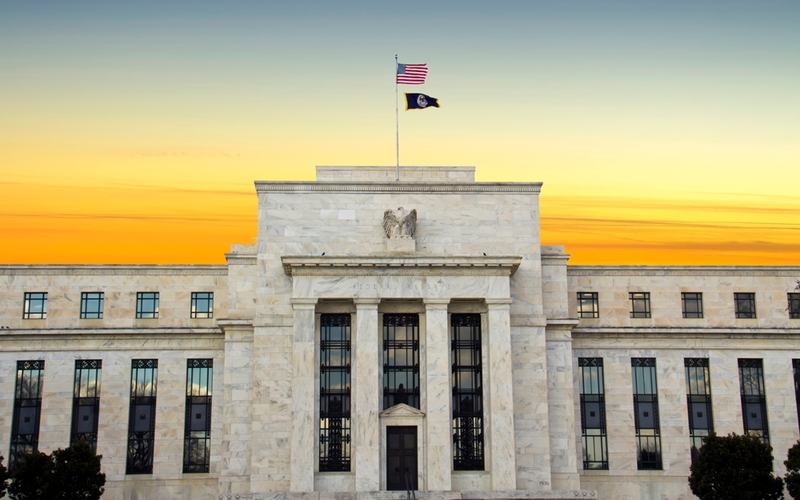
The Federal Reserve raised its benchmark interest rate by a quarter percentage point Wednesday, moving the federal funds target range to 3.75%-4%. The increase was the central bank’s first rate hike since July 2023 and came as policymakers sought to address inflation that remains above the Fed’s 2% target.
The Federal Open Market Committee approved the increase unanimously. Fed officials also signaled that another quarter-point hike could come before the end of 2026, with most policymakers projecting rates at 4%-4.25% by year’s end.
The decision reverses the direction of monetary policy after a series of rate cuts in 2024 and 2025. The Fed had held the federal funds rate at 3.5%-3.75% since December 2025.
Fed officials raised their 2026 inflation forecast to 3.7%, while projecting economic growth of 2.3% and an unemployment rate of about 4.1%. The central bank said inflation remains elevated and that the latest increase is intended to support a more timely return to its 2% goal.
Higher federal funds rates can increase borrowing costs for consumers and businesses, affecting credit cards, auto loans, and other forms of financing. Mortgage rates are influenced more directly by longer-term Treasury yields, but they can also be affected by changes in the Fed’s policy outlook.
Looking ahead, the latest projections suggest borrowing costs could remain elevated as the Fed continues to prioritize bringing inflation back toward its 2% target. If another rate increase occurs later this year, consumers and businesses could face additional pressure from higher financing costs, while sustained tighter monetary policy could slow demand and economic growth. At the same time, a decline in inflation could eventually give the Fed more room to lower rates if economic conditions warrant.
The Fed’s latest projections indicate that elevated interest rates could remain in place through 2027 before policymakers begin considering reductions in 2028.

Comments
No comments yet. Be the first to share your thoughts.