
A construction company sanctioned by the U.S. Department of the Treasury over alleged financial ties to the Cartel del Noreste faction of Los Zetas helped build infrastructure at an international port of entry connecting the Mexican state of Nuevo Leon with Texas, raising questions about government contracts awarded to businesses accused of supporting organized crime.
The Treasury Department announced sanctions against four individuals and 11 companies accused of working with or supporting the cartel. The targeted businesses included a horse racetrack with a bar and restaurant, a trucking company, and several construction and gas companies.
Among the sanctioned firms was Construcciones y Edificaciones Garza Elias S.A. (CEGESA), whose owners, Gamaliel Garza Garcia and his son, Gamaliel Garza Elias, received multiple contracts from the Nuevo Leon state government, according to an investigation by the Mexican organization Mexicanos Contra la Corrupcion e Impunidad.
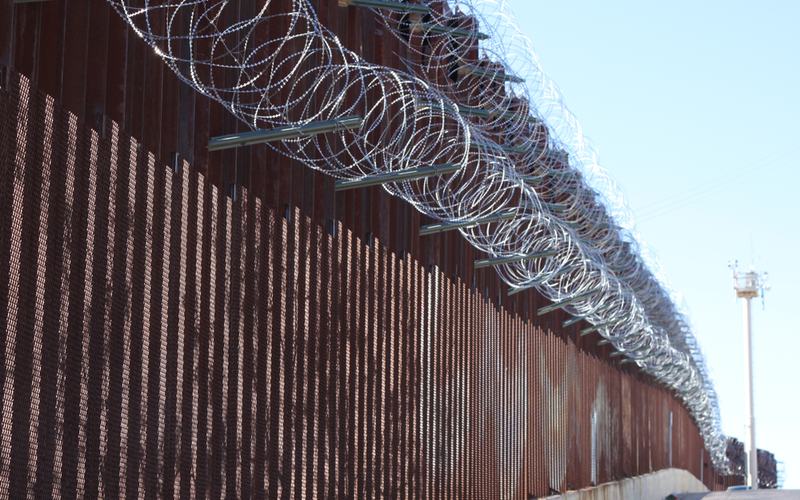
One of those projects involved the Colombia International Port of Entry, a border crossing linking Nuevo Leon with Texas. In 2023, CEGESA received two contracts worth a combined 94 million Mexican pesos, approximately $5.2 million, to construct toll booths and access roads serving the facility. The company also received a separate contract to improve a tourist rest stop at the port.
The firm had secured another contract in 2022 worth 15 million pesos, approximately $800,000, for landscaping and materials at the border crossing.
The contracts have drawn scrutiny following the U.S. Treasury's allegations that Garza Garcia and his son bribed Mexican officials to obtain government business. U.S. authorities also allege that their companies were used to launder money for the Cartel del Noreste, a criminal organization descended from Los Zetas.
The revelations have created political pressure for state governments to distance themselves from the sanctioned businesses and demonstrate that public funds were not improperly directed toward cartel-linked operations.
In neighboring Tamaulipas, the state government issued a public statement saying a review of government records found that neither the 11 sanctioned companies nor the sanctioned individuals had received contracts since the current administration took office in 2022.
The case highlights the scrutiny facing Mexican government contracting as U.S. authorities target alleged financial networks supporting organized crime. The sanctions also raise questions about how companies accused of cartel ties were able to secure public infrastructure projects, including work at a strategically important international border crossing.

Comments
No comments yet. Be the first to share your thoughts.