
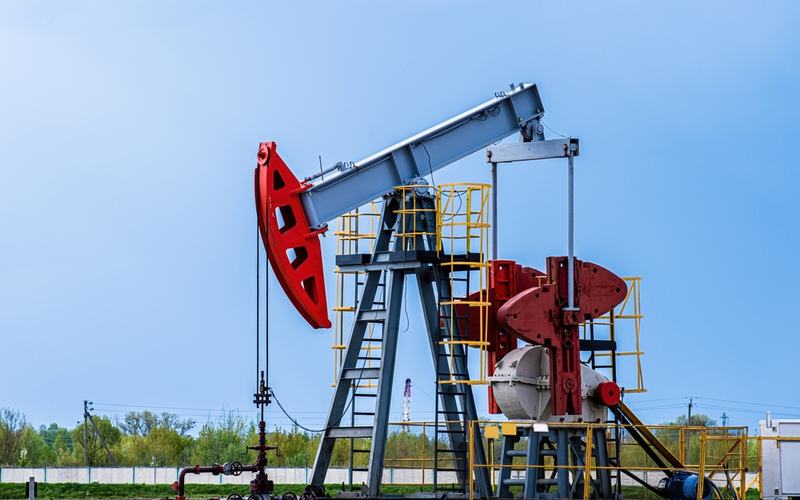
The Trump administration is moving to eliminate Biden-era methane emissions restrictions on oil and gas producers, arguing that the regulations imposed unnecessary costs on American energy companies and threatened domestic production. The Environmental Protection Agency estimates that rolling back the rules could save the industry approximately $45 billion while supporting greater energy development.
The administration says the changes could help expand American oil and natural gas supplies at a time when energy prices and national security remain major concerns. The estimated petroleum savings associated with the rollback have been compared to roughly 210 million barrels, equivalent to about 10 days of U.S. petroleum consumption.
Methane is a potent greenhouse gas released during oil and natural gas production, processing, and transportation. The Biden administration imposed stricter requirements intended to limit leaks and other emissions, including provisions targeting facilities that release unusually large amounts of methane.
EPA Administrator Lee Zeldin has moved to dismantle key elements of the regulatory framework, including the Super Emitter Program, while easing certain requirements affecting smaller oil and gas wells. The Trump administration argues that the rules created billions of dollars in compliance costs without adequately accounting for the burden on American energy producers.
Environmental advocates have criticized the rollback, warning that weaker standards could allow more methane to escape into the atmosphere. Max Lopez, among those opposing the move, argued that eliminating the requirements would undermine efforts to curb emissions from the energy industry.
Former President Joe Biden announced his methane regulations in 2023, presenting them as part of a broader effort to combat climate change. His administration projected that the rules would prevent approximately 58 million tons of methane emissions and generate around $98 billion in climate and public health benefits.
Producers also criticized the regulations as costly to monitor and repair leaks, particularly at smaller facilities. The Biden administration delayed certain requirements as implementation challenges emerged, while separate efforts to impose methane-related fees became another point of contention in the broader energy debate.
The latest move reverses another major part of the Biden administration’s climate agenda. President Donald Trump has made expanding domestic energy production a central priority, arguing that reducing federal restrictions will strengthen American energy security, support producers, and help keep costs down for consumers.

Comments
No comments yet. Be the first to share your thoughts.