
The Trump administration finalized new federal fuel economy standards that will give automakers more flexibility in determining which vehicles to produce while reducing the regulatory pressure that previously encouraged a shift toward electric vehicles.
Transportation Secretary Sean Duffy announced the rule, saying the changes are expected to reduce the average price of a new vehicle by about $1,300 and save Americans an estimated $138 billion over five years.
The new standards apply to passenger cars and light trucks for model years 2022 through 2031. Under the rule, the fleetwide fuel economy average will reach 34.9 miles per gallon by model year 2031, compared with an estimated 30.1 mpg in 2024.
“Thanks to President Trump’s leadership, we have finally ended the illegal mandate that forced automakers to produce more expensive electric vehicles that American families didn’t want,” Duffy said.
President Donald Trump announced Saturday that he had approved the new standards, arguing that they would reduce the cost of manufacturing vehicles in the United States and lower prices for consumers.
The National Highway Traffic Safety Administration will also end fuel economy credit trading between automakers beginning with model year 2028. The Transportation Department said the system had allowed companies producing large numbers of electric vehicles to sell credits to other automakers that otherwise would have faced penalties for failing to meet federal requirements.
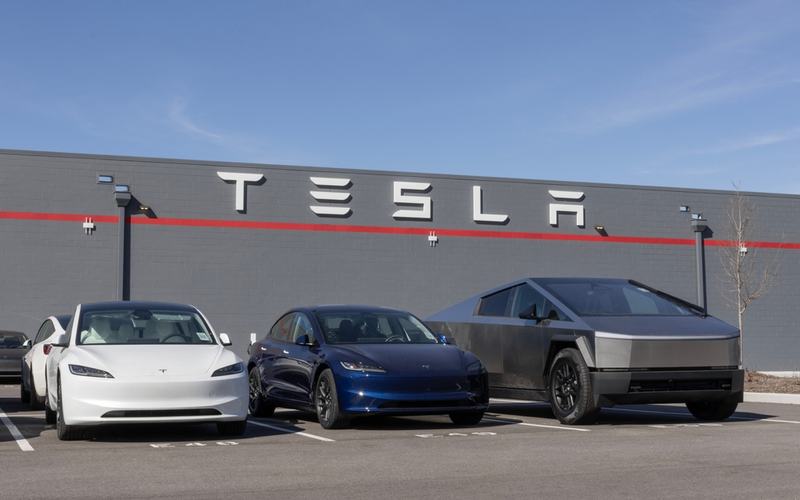
Tesla, for example, reported more than $2 billion in revenue from selling regulatory credits to other automakers in 2024.
The Alliance for Automotive Innovation, which represents major manufacturers including Ford, General Motors and Stellantis, supported the change. President and CEO John Bozzella said NHTSA had made the right decision by bringing the standards more closely in line with federal law, market conditions and consumer demand.
Supporters of the new rule argue that the previous standards placed additional costs on traditional vehicles in an effort to accelerate EV adoption. Jason Isaac, CEO of the American Energy Institute, said the $1,300 projected savings could prove conservative and predicted that consumers would see more hybrid vehicles as automakers respond to market demand.
The administration's action also changes how vehicles are classified beginning with model year 2030. Automakers have increasingly added equipment to small crossover vehicles so they could be classified as light trucks, which are subject to different fuel economy requirements. The new system is expected to shift the overall fleet from roughly 70% light trucks and 30% passenger cars to approximately 70% passenger vehicles.
Critics of the rule argue that the revised standards do not go far enough to improve fuel efficiency and could result in higher gasoline consumption. The Natural Resources Defense Council said Monday that the new target is below the average fuel economy automakers have already achieved and compared it with the Biden administration's previous target of 50.4 mpg.
The rule is likely to face legal challenges. Steve Milloy, a senior fellow at the Energy and Environment Legal Institute and a former member of Trump's EPA transition team, said the administration should also pursue repeal of the federal law that established the fuel economy standards.
The new standards represent a broader reversal of the Biden administration's vehicle policies, which critics argued used federal regulations to encourage consumers and manufacturers to move away from gasoline-powered vehicles. The Trump administration has instead emphasized lower vehicle costs, consumer choice, and market demand.

Comments
No comments yet. Be the first to share your thoughts.