
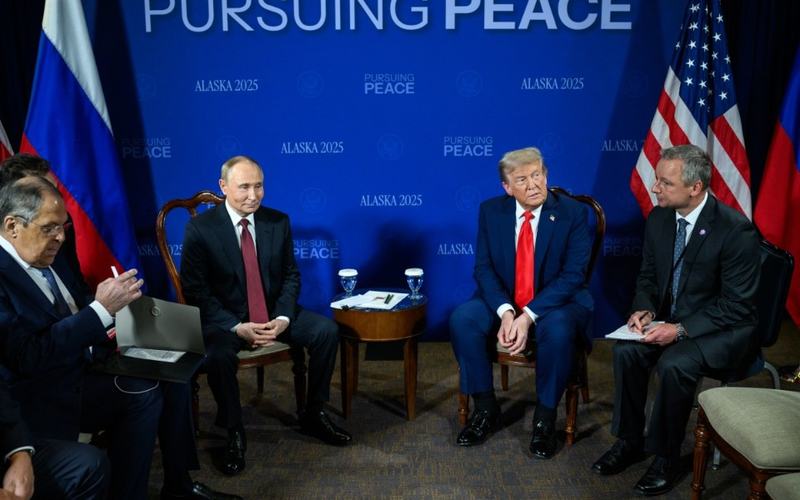
The Trump administration is considering lifting sanctions on the Russian Direct Investment Fund, a multibillion-dollar state entity sanctioned by the previous administration shortly after Russia's 2022 invasion of Ukraine. The move comes amid ongoing negotiations over the fund's role in facilitating Russian diesel exports to the United States.
According to The New York Times, Russian officials have pressed for the sanctions relief during discussions tied to a diesel supply agreement reached between President Trump and Russian President Vladimir Putin on October 9. The U.S. Treasury Department is evaluating the fund's application through its standard procedures, with the review framed as part of broader efforts to strengthen U.S.-Russia ties and support an end to the war in Ukraine.
The fund, known as RDIF and led by Kirill Dmitriev, was designated by the Biden administration as a vehicle for Kremlin influence and described at the time as emblematic of Russian kleptocracy. It was established in 2011 to attract foreign investment into Russian projects. Dmitriev has participated in recent talks with U.S. officials, including as an economic envoy for Moscow.
Trump suspended sanctions on Russian diesel imports on October 9, allowing shipments to begin reaching the U.S. market. The RDIF has assisted in arranging those transactions. A U.S. official confirmed to the Times that the Treasury review aligns with goals of improving relations and advancing peace negotiations.
To qualify for delisting, the fund must demonstrate that the original reasons for sanctions no longer apply. No final decision has been reached. The development follows other recent steps by the administration to ease certain Russia-related restrictions, including waivers on additional sanctions and tariffs that had been scheduled to take effect under prior legislation.
Supporters of the approach see potential benefits in lower energy costs for American consumers and incentives for Moscow to engage constructively on Ukraine. Critics, including some former officials, argue it signals a softening of economic pressure before a full settlement.

Comments
No comments yet. Be the first to share your thoughts.